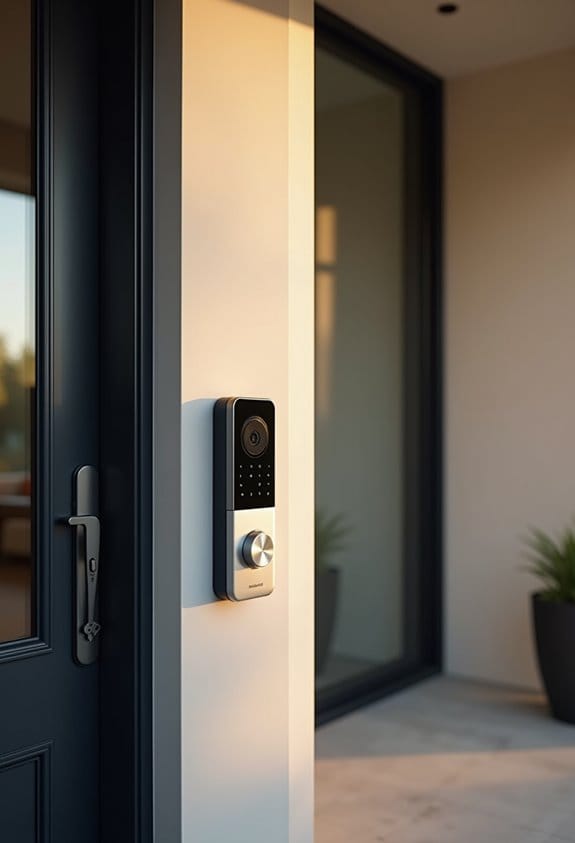
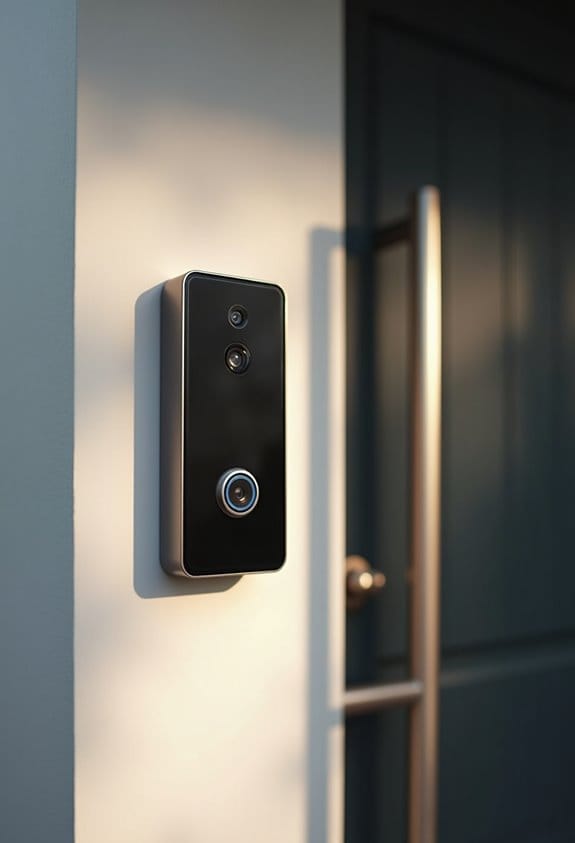
To minimize surveillance creep in our homes, we should start by establishing clear boundaries. Use security cameras only in common areas, avoiding private spaces like bedrooms. Set specific hours for camera operation to respect privacy. It’s crucial to discuss the purpose of surveillance openly with family to guarantee everyone understands its intent. Regularly reviewing our monitoring policies also helps align with changing family needs. By following these steps, we can enhance security while respecting personal privacy, and more insights await.
Key Takeaways
- Discuss the purpose of surveillance with household members to establish clear boundaries between privacy and security needs.
- Limit surveillance devices to common areas, avoiding placement in private spaces like bedrooms or bathrooms.
- Set specific hours for camera operation, ensuring everyone knows when monitoring occurs and when privacy is respected.
- Regularly review and update monitoring policies to meet the evolving needs and comfort levels of all family members.
- Promote transparency regarding data usage and access to build trust and mitigate feelings of invasion among household members.
Understanding Surveillance Creep: Impact on Family Privacy
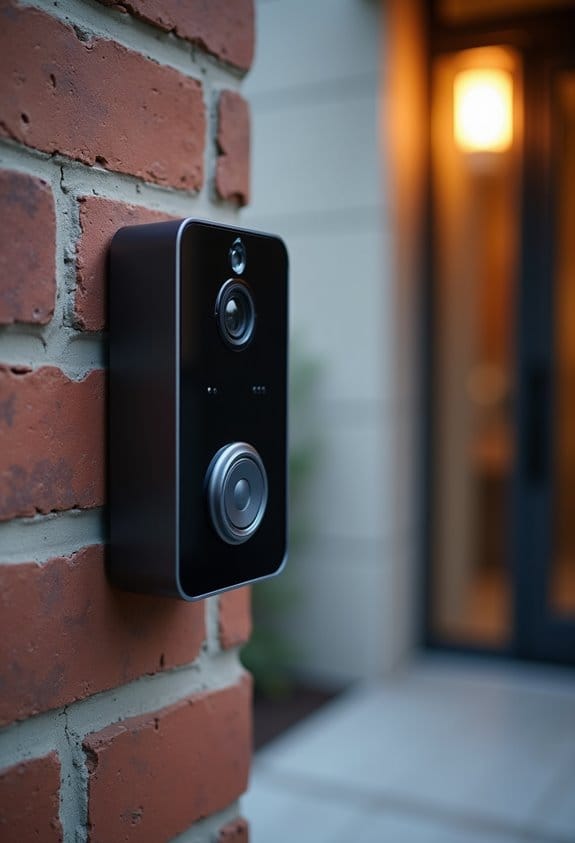
Surveillance creep is a term that describes the gradual erosion of privacy within our homes due to the increasing use of technology. As we introduce devices like smart cameras and home assistants, we may unintentionally create feelings of being constantly monitored. This situation can harm our family’s trust and autonomy. Establishing personal boundaries helps us navigate these challenges. We should actively discuss and decide what is acceptable regarding surveillance, ensuring everyone feels secure. For instance, we might limit camera usage to entry points only or set specific times for monitoring. By fostering open communication, we can maintain safety while preserving our individual privacy. It’s essential to address these issues early, preventing small infractions from escalating into significant concerns. Using devices with motion sensor detection limited to key areas can also help balance security needs with privacy.
Why Discussing the Purpose of Home Surveillance Is Important

When we bring surveillance devices into our homes, it’s important to understand why we’re using them. Discussing the purpose of home surveillance helps us set boundaries regarding privacy and security. By clearly defining our intentions—like monitoring children or deterring crime—we foster a sense of safety among all family members. Studies show homes with security cameras are 300% safer, highlighting how effective monitoring can reduce burglary risks. Additionally, transparent communication helps prevent misunderstandings or discomfort related to privacy violations. By engaging in these discussions, we encourage responsible use of technology, which can mitigate surveillance creep—where monitoring becomes excessive or intrusive. Setting clear boundaries guarantees a healthy balance between safety and personal privacy in our homes. Advanced systems, such as Blink Doorbell systems, enhance security with customizable features and smart integration to help maintain this balance effectively.
Setting Clear Guidelines for Home Monitoring

Establishing clear guidelines for home monitoring is essential, as it prevents confusion and promotes a sense of security among all household members. We need to outline the purpose of our monitoring systems. For instance, let’s use security cameras in common areas, but not in private spaces like bedrooms or bathrooms, to maintain personal privacy. Setting specific hours for when cameras operate also establishes clear boundaries, distinguishing active monitoring times from privacy periods. Open communication with each other about these systems fosters transparency. We should regularly review and adjust these policies, ensuring they align with our family’s needs. By respecting individual boundaries, we create a secure environment where every household member feels comfortable and respected. Utilizing devices with advanced motion detection can help precisely define when monitoring is necessary, ensuring privacy is maintained outside those moments.
When Is It Okay to Say No to Surveillance?
Setting guidelines for home monitoring lays the groundwork for understanding how and when we should use surveillance. It’s okay to say no to surveillance when it invades the personal space of family members. Setting boundaries around security cameras is essential. We should avoid placing them in private areas, like bedrooms and bathrooms, where privacy is paramount. Additionally, we can implement policies that limit surveillance to essential entry points, like front doors and driveways. Transparency is key; discussing camera locations with household members can help ease discomfort. It’s also critical to recognize that excessive monitoring may heighten stress levels, so we should regularly evaluate our surveillance practices for balance, ensuring safety without compromising our family’s well-being. Choosing devices with smart notifications can help limit unnecessary monitoring by alerting only to relevant activity around the home.
Building Trust Through Transparency in Surveillance
Building trust through transparency in surveillance is essential for a harmonious household. Open communication about the presence and purpose of surveillance devices helps reduce feelings of invasion. We should establish clear guidelines on how surveillance data is used, who can access it, and why it’s important. Regular discussions involving all family members foster shared responsibility and respect for privacy. Providing opportunities for discussions about concerns can lead to necessary adjustments that balance security with individual privacy. Clearly explaining the benefits of surveillance—like increased safety and crime prevention—helps everyone understand and accept its role. By prioritizing transparency, we build trust and create an environment where everyone feels secure and valued. Additionally, configuring customizable privacy zones can help protect neighbors’ privacy and reduce surveillance overreach within the community.
Assessing the Risks and Benefits of Surveillance Technologies
While we appreciate the safety that surveillance technologies can provide, we must carefully weigh their benefits against potential risks to privacy. Surveillance systems, like outdoor cameras and motion-sensing lights, enhance safety considerably—making homes up to 300% safer and deterring about 60% of burglars. However, we also face the risk of compromising our privacy rights. The presence of these technologies can create an environment of constant observation, which may lead to discomfort and normalization of surveillance. It’s essential to assess these benefits alongside potential infringements on personal privacy. By doing so, we avoid minor violations that can culminate in a larger decline in privacy standards. Finding the right balance is key to using these technologies responsibly. For instance, the implementation of AI motion detection helps reduce false alerts, allowing for more precise monitoring and minimizing unnecessary surveillance.
Finding a Balance: Security vs. Family Privacy
To create a safe yet comfortable home environment, we must find a balance between security measures and family privacy. Excessive surveillance, like outdoor cameras, can invade personal space and diminish trust among family members. Studies show that while 60% of burglars are deterred by visible security features, constant observation can make loved ones uncomfortable. We should use signage to indicate security without creating a sense of mistrust. It’s crucial to set boundaries; areas like bedrooms or bathrooms should remain camera-free. Educating family members about the purpose of security systems fosters understanding and reassurance. By prioritizing both security and family privacy, we can guarantee our home remains safe while maintaining a welcoming atmosphere for everyone.
Frequently Asked Questions
How Should We Approach Kids About Surveillance in the Home?
We should start privacy discussions early, focusing on tech education that empowers our kids. By openly talking about surveillance, we can help them understand its implications and encourage responsible use of technology in our home.
What Are Signs of Surveillance Creep in a Household?
When our home’s a watchful eye, signs like constant monitoring or unexplained device updates emerge. Privacy invasion feels like a shadow creeping in, and soon trust erosion can turn our sanctuary into a surveillance zone.
Can Surveillance Tech Be Used Positively for Family Bonding?
Absolutely, surveillance tech can enhance family bonding through shared family activities and effective communication tools. By using apps or devices together, we can cultivate memories and strengthen connections, ensuring we feel closer despite physical distances.
What Legal Implications Should We Consider for Home Surveillance?
When it comes to home surveillance, we must tread carefully like tightrope walkers. Privacy laws and consent requirements vary by location, so we should always check local regulations before installing any monitoring devices in our homes.
How Often Should We Revisit Our Surveillance Guidelines?
We should regularly conduct surveillance reviews and privacy assessments, ideally every six months or after significant changes to our household. This way, we guarantee our guidelines remain relevant and respect everyone’s privacy adequately.