When sharing video clips, we must securely redact faces and addresses to protect personally identifiable information (PII). This process involves using specialized software that can blur or obscure these elements efficiently. AI-powered tools, like those from Adobe or Tracers, can achieve over 99% accuracy in redaction. We should also guarantee that the redacted video is stored in an encrypted format. Additionally, using proper techniques helps maintain compliance with regulations like HIPAA and GDPR. There’s more to contemplate regarding the tools and processes that enhance security.
Key Takeaways
- Use AI-powered redaction tools to blur faces and addresses with over 99% accuracy for safe sharing of video clips.
- Ensure that redaction is secure and irreversible to prevent unauthorized retrieval of sensitive information.
- Preview redacted videos to confirm effective obscuration of Personally Identifiable Information (PII) before sharing.
- Adhere to legal and compliance standards like HIPAA and GDPR to mitigate risks during video distribution.
- Utilize encrypted formats for saving redacted videos, enhancing data security during sharing processes.
What Is Video Redaction and Why Does It Matter?
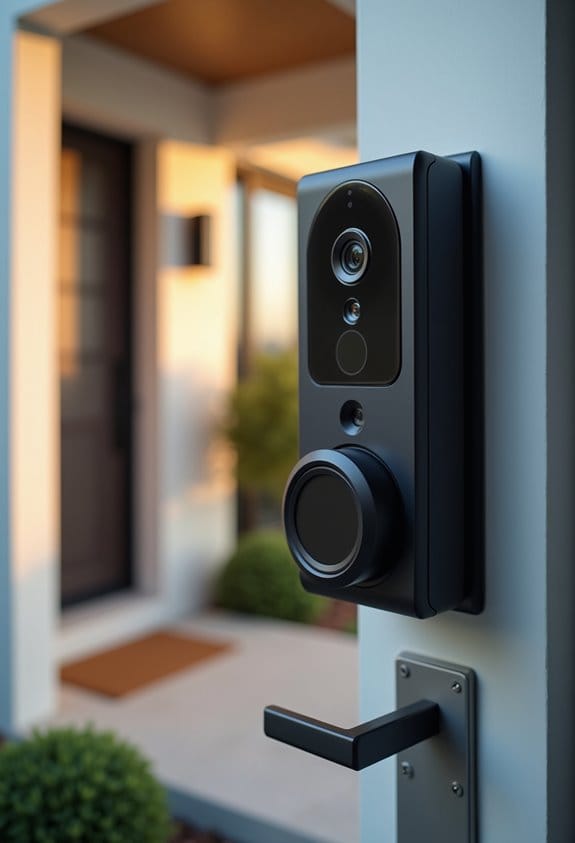
Video redaction is an imperative process that involves editing or blurring sensitive information in videos to protect privacy and guarantee compliance with various legal regulations. By redacting personally identifiable information (PII)—like faces, names, and addresses—we help guarantee that individuals’ privacy is maintained, especially in sectors such as healthcare and education. It’s essential for compliance with laws such as HIPAA and GDPR that govern confidential information. Using secure blurring techniques guarantees that redactions remain irreversible, preventing unauthorized disclosures during legal proceedings or when presenting evidence. Failing to adequately redact sensitive information can lead to serious legal issues and damage our reputation. Consequently, understanding video redaction‘s importance is essential in managing sensitive content safely and effectively. Modern security devices, such as Arlo Video Doorbells, contribute to capturing high-quality footage that may require redaction before sharing to maintain privacy.
Step-By-Step Process for Redacting Videos Safely
When sharing video clips, ensuring that sensitive information remains protected is a priority. First, we identify all instances of sensitive information, focusing on faces, names, and addresses. Next, we utilize specialized video redaction software, which helps automate detection and blurring of faces and license plates with over 99% accuracy, ensuring compliance with privacy laws. After applying the redaction, we preview the video to confirm that all sensitive information has been effectively obscured. It’s essential that the redaction is secure and irreversible to maintain privacy. Finally, we save the redacted video in a securely encrypted format, preventing unauthorized access while meeting compliance requirements and safeguarding personal data. Additionally, adjusting notification settings can help control who receives alerts about shared clips, enhancing permission management and privacy.
Utilizing Technology to Enhance Video Redaction Discreteness

In today’s digital landscape, it’s essential to leverage technology for effective video redaction. AI-powered video redaction tools are available that can automatically blur faces and addresses with over 99% accuracy, ensuring sensitive information remains concealed. Utilizing automated redaction software saves us time, especially when managing large volumes of video content. Advanced features like object detection and facial recognition allow for precise targeting of personally identifiable information (PII). Furthermore, some technologies can redact audio data, muting spoken PII effectively. It’s imperative to implement a secure chain of custody to enhance the integrity of redacted footage, which is crucial for legal compliance. By embracing these tools, we greatly enhance data privacy when sharing video clips. Additionally, leveraging the high-definition and night vision capabilities of modern doorbell systems can improve the clarity and quality of footage, facilitating more effective redaction of sensitive details through enhanced video quality.
Key Elements for Video Redaction
Protecting sensitive information in shared videos requires a structured approach to redaction. Video redaction involves using advanced blurring techniques to obscure faces, addresses, and other personally identifiable information (PII). Healthcare providers, for instance, need to guarantee compliance with privacy laws like HIPAA and GDPR when sharing CCTV footage. Automated redaction tools equipped with object detection capabilities can successfully blur identifiable features with over 99% accuracy, making the process efficient. It’s important to adjust the time ranges for redaction according to the transcript text, assuring thorough coverage of all sensitive information. By following these steps, we can considerably reduce risks and protect personal data effectively while maintaining the integrity of shared content. Using durable and reliable tools, similar to those constructed from high-quality ABS materials, ensures consistent and effective redaction performance even under demanding conditions.
Essential Practices for Comprehensive Video Redaction Coverage
To achieve extensive video redaction coverage, we should start by thoroughly reviewing every frame of the footage. This helps guarantee all instances of personally identifiable information (PII), like faces and addresses, are consistently redacted. Utilizing automated redaction tools can achieve over 99% accuracy for identifying and blurring sensitive information efficiently. We must implement secure blur techniques that make these redactions irreversible, preventing accidental disclosure. Additionally, it’s essential to include audio muting to protect privacy, making sure that any spoken PII is also covered. Regularly updating our redaction practices is fundamental to maintain compliance with legal standards like GDPR and HIPAA. This diligence guarantees all personal data within videos is handled appropriately, preserving privacy protection effectively. When storing video footage locally, it is important to consider the use of microSD cards to ensure secure, flexible, and subscription-free storage options.
How Different Industries Use Video Redaction Solutions
While many industries rely heavily on video documentation, they must also prioritize the protection of individual privacy through effective redaction solutions. In healthcare, video redaction is imperative for HIPAA compliance, anonymizing patient identities during telehealth sessions and surgeries. Educational institutions use redaction to safeguard students’ faces and information in classroom recordings, adhering to FERPA guidelines. Law enforcement agencies utilize automated tools to obscure faces and license plates in body-worn camera footage, ensuring the integrity of evidence while maintaining privacy. Retail companies also implement video redaction to protect customer identities in surveillance footage, which aids in GDPR compliance. Finally, insurance firms anonymize claim-related videos to streamline processes while safeguarding sensitive information in accordance with regulatory standards. Advanced video technology with smart motion detection capabilities can enhance the effectiveness of redaction by accurately identifying relevant video segments.
What Are the Legal and Ethical Issues in Video Redaction?
Video redaction isn’t just a technical process; it raises significant legal and ethical issues that organizations must navigate. Compliance with laws like the Privacy Act and the Health Insurance Portability and Accountability Act (HIPAA) is essential since they govern the protection of personally identifiable information (PII). Ethical considerations come into play when redacting video, as we must guarantee transparency and accountability by effectively concealing sensitive information. Failure to adhere to these legal standards can result in fines and lawsuits, creating serious ramifications for organizations. Additionally, the Federal Rules of Evidence dictate how video footage should be presented in court, necessitating thorough redaction to avoid issues of admissibility. It’s critical that we implement strong policies and training to uphold these standards. Moreover, the importance of viewing angle in video recordings plays a key role in determining what information must be redacted to protect privacy effectively.
How Video Redaction Enhances Data Security Compliance
Ensuring data security compliance is essential in today’s digital age, and effective video redaction plays a key role in this process. By using video redaction, we obscure personally identifiable information (PII), such as faces and addresses, which is critical for respecting individuals’ privacy. Regulations like the General Data Protection Regulation (GDPR) and the Health Insurance Portability and Accountability Act (HIPAA) require us to protect sensitive information. Automated redaction tools can blur over 99% of this content, markedly reducing privacy violations. When redacting video footage, we also minimize the risk of evidence exclusion in legal settings. This protects personal information during submissions and helps us handle Data Subject Access Requests (DSARs) while safeguarding individual privacy rights efficiently. Additionally, leveraging video content with high-definition resolution supports clearer yet securely redacted visuals that maintain privacy without compromising quality.
Tools and Software for Effective Video Redaction
Protecting sensitive data goes beyond just redaction and can be markedly enhanced by utilizing the right tools and software. Automated video redaction tools can blur faces and license plates, minimizing exposure of Personally Identifiable Information (PII) with over 99% accuracy. This not only aids compliance but also strengthens privacy in various settings, such as CCTV video. Advanced software solutions offer features like audio redaction and automatic transcription, allowing us to safeguard sensitive information effectively. Tools like VIDIZMO and Facit’s Identity Cloak harness AI-powered technologies to streamline the redaction process. Key functionalities include role-based access control and chain of custody management, ensuring the integrity of redacted video evidence while reducing frustrations in compliance efforts. Additionally, choosing devices with high-definition video capabilities aids in capturing clearer footage, which enhances the effectiveness of redaction tools.
Frequently Asked Questions
What Is the Safest Way to Share Private Videos?
The safest way to share private videos is by using secure upload methods, video encryption techniques, and audience access control. We should also apply watermarking and temporary sharing links for enhanced online privacy protections and digital rights management.
Can a Video Be Redacted?
Yes, we can redact videos using software tools that address privacy concerns and ethical considerations. By employing post-production techniques, we guarantee compliance with consent requirements, legal implications, and protect personal data during public sharing and audio redaction.
How to Censor Someone’s Face in a Video?
When censoring a face in a video, we should utilize face blurring techniques with user-friendly software. Over 99% accuracy tools exist, ensuring privacy protection. Quick tutorial guides and professional services can help us effectively follow best practices.
What Is Video Redaction?
Video redaction’s about enhancing video privacy and data security. By using face blurring and digital tools, we edit clips for safe online sharing while adhering to video guidelines and ensuring content protection and anonymity measures.