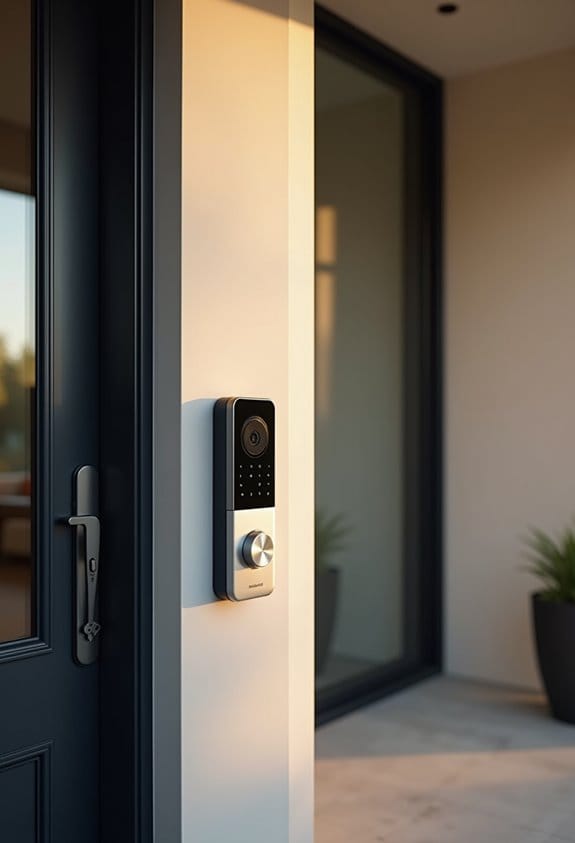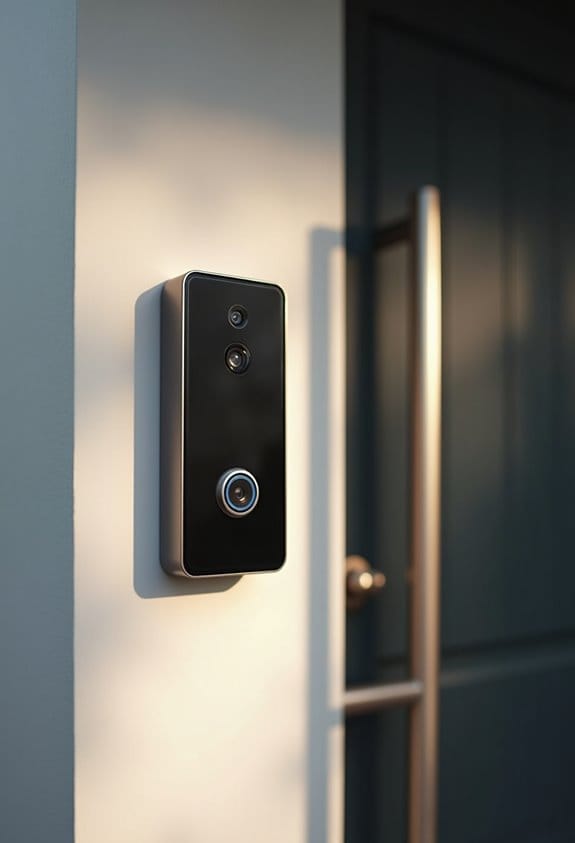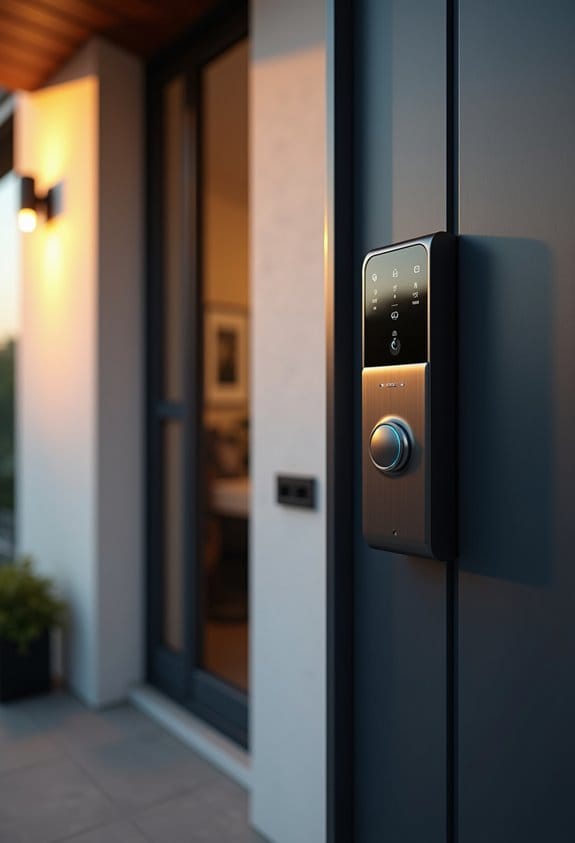

When handling police requests for security footage, we must understand our rights. Typically, police need a warrant or subpoena due to Fourth Amendment protections. If an officer approaches us, we should document their name, badge number, and case number. Always verify if they have legal documents. It’s best to provide only the specific footage requested, keeping a copy for our records. Following these steps can help us navigate these situations confidently and protect our privacy. More insights await.
Key Takeaways
- Always verify if police requests for footage are accompanied by a warrant or subpoena to ensure compliance with legal requirements.
- Document all requests by noting the officer’s name, badge number, and case number for accountability and transparency.
- Cooperate selectively by providing only the specific footage requested and maintaining a copy for your own records.
- Consult legal counsel if unsure about the implications of sharing footage or if the request seems improper.
- Remember, homeowners have the right to refuse access to footage without proper legal documentation unless emergency circumstances exist.
What Police Can and Cannot Do With Your Security Footage?

When we consider how police interact with our home security footage, it’s important to understand the legal boundaries they must respect. Typically, police need a warrant or subpoena to access security records, as the Fourth Amendment protects us from unreasonable searches. Homeowners have privacy rights and can refuse footage requests unless proper legal documentation is provided. Law enforcement may ask for footage related to specific incidents, like crimes, but cooperation is voluntary. They can’t access live security feeds without legal justification. In emergencies, exigent circumstances might allow for warrantless access, but these situations are rare. Understanding these legal rights clarifies what we comprehend about what police can or cannot do with our valuable security footage. To further protect this footage, it is advisable to enable video feed encryption on your doorbell system to safeguard data during transmission from cyber threats.
Legal Considerations When Sharing Security Footage

Understanding the legal considerations we face when sharing security footage is essential for protecting our rights and privacy. Law enforcement records typically require a court order or warrant for access, especially under Fourth Amendment protections. In emergencies, police might bypass this, but it’s critical for us to document any requests thoroughly. Businesses and homeowners aren’t obligated to share video recordings without proper legal justification, such as a subpoena. Privacy laws and security policies guide this process. If we’re unsure, seeking legal advice is wise before releasing any sensitive information. Additionally, responding to FOIA requests isn’t obligatory for private entities, allowing us to maintain control over our footage and comply with legal standards while protecting our interests. It’s also important to consider how customizable notification settings can help monitor and log access to footage requests to enhance security and transparency.
How to Respond to Police Footage Requests

Maneuvering police requests for security footage requires careful attention to detail and proper procedures. When we receive a request from law enforcement agencies, it’s essential to document the officer’s name, badge number, and case number. First and foremost, we should verify if the request is backed by a warrant or a subpoena, as unauthorized access is illegal. We’ll provide only the specific video requested, while keeping a copy for our records to protect our rights. Adhering to privacy rules is imperative, so we must follow established procedures to safeguard sensitive information. If we feel uncertain about the legal implications of sharing body camera footage or responding to a FOIA request, consulting with legal counsel is critical. Additionally, understanding the storage options available for the footage can help determine the best way to preserve and share the requested video securely.
Best Practices for Documenting Police Requests
Documenting police requests for footage is essential for maintaining accountability and guaranteeing compliance with legal standards. We should carefully record the officer’s name, badge number, and case number associated with each request. Creating a log that captures the date, time, specific footage requested, and how we fulfilled the request is vital. Keeping a copy of the submitted footage alongside the documentation enhances accountability for future reference. Developing clear internal procedures guarantees consistency and compliance among departments managing video surveillance. Regularly reviewing and updating our documentation practices aligns with evolving laws like the Freedom of Information Act. By following these best practices, we foster transparency and uphold quality assurance in our interactions with law enforcement officers.
Engaging the Community: Your Rights Regarding Security Footage
While we often trust law enforcement to act in our best interests, it’s vital to know our rights regarding requests for security footage. When police requests are made, we have homeowners rights that allow us to refuse access unless they present a warrant or court order, unless exigent circumstances apply. We, as community members, should always verify the legitimacy of these requests. If uncertain, seeking legal advice can clarify our rights and responsibilities. Documenting all police requests, including officer names and case numbers, is important to protecting our privacy. Remember, we should only provide the specific security camera footage requested and remain cautious about how much information we share. Awareness empowers us to engage effectively while safeguarding our own rights. Utilizing video doorbells with enhanced motion alerts can help capture crucial footage while maintaining privacy.
Frequently Asked Questions
What Types of Incidents Require Police to Request Footage?
Police might request footage in cases like traffic accidents, criminal investigations, public disturbances, violent incidents, missing persons, reported assaults, theft occurrences, and suspicious behavior for effective evidence collection. We’re all in this together, seeking justice.
Can I Deny a Police Request for My Footage?
We can deny police requests for our footage based on our denial rights, privacy concerns, and footage ownership. However, legal obligations and public interest may impact our decision, especially concerning incident documentation and retention policies.
How Does the 10-Day Response Timeline Work?
The 10-day response timeline isn’t rocket science, but it’s vital. We’ll outline response timeline overview, footage request procedures, compliance consequences, and citizen rights, ensuring we’re informed during police investigation protocols and documentation requirements explained.
What Happens if I Miss the Deadline to Respond?
Missing the deadline can lead to legal ramifications and impact the investigation. We should communicate with authorities, document our attempts, consider requesting extensions, seek legal advice, and guarantee compliance to prevent future issues.
Are There Exceptions to Footage Disclosure Laws?
Yes, exceptions exist! We might encounter privacy concerns, public safety issues, ongoing investigations, or judicial mandates. Local ordinances and federal regulations can also apply, complicating our understanding of footage disclosure in specific jurisdictions.