
To reduce nighttime disturbances while still enjoying events, we must establish clear quiet hours. We should communicate these hours effectively in invitations and during gatherings, emphasizing their importance for restful sleep. Scheduling early events, like brunch or morning meetings, can help align with natural sleep patterns. We can also choose quiet activities, such as yoga or conversations over soft music. Additionally, utilizing soundproofing techniques at home, like curtains and acoustic insulation, enhances tranquility. Let’s explore further strategies for minimizing noise.
Key Takeaways
- Schedule early events, like brunch or yoga sessions, to respect natural sleep cycles while still providing opportunities for socializing.
- Clearly communicate quiet hours in invitations and event signage to set guest expectations and foster respect for neighbors.
- Opt for quiet activities, such as board games or craft sessions, to keep gatherings enjoyable while minimizing disturbances.
- Use soundproofing techniques, like installing heavy curtains and sealing gaps, to reduce external noise and enhance tranquility within your space.
- Provide friendly reminders about quiet hours throughout the event to cultivate a cooperative and respectful environment for all attendees.
Why Quiet Hours Are Essential for Better Sleep
When we talk about improving our sleep, quiet hours play an essential role. They provide the uninterrupted rest our bodies need to combat sleep deprivation, which affects our cognitive function and emotional health. The World Health Organization highlights the risks posed by environmental noise at night, linking it to issues like anxiety and cardiovascular problems. By establishing consistent quiet hours, we greatly reduce noise disturbances that can disrupt our sleep cycle. This is particularly important for vulnerable groups, such as the elderly and those with health conditions. Better sleep quality leads to deeper, restorative states, improving alertness during waking hours. Consequently, designating quiet times is not just helpful; it’s necessary for our overall well-being and daily functioning. Utilizing customizable alert tones for notifications can help maintain quiet hours without missing important events.
Communicate Quiet Hours Effectively to Your Guests
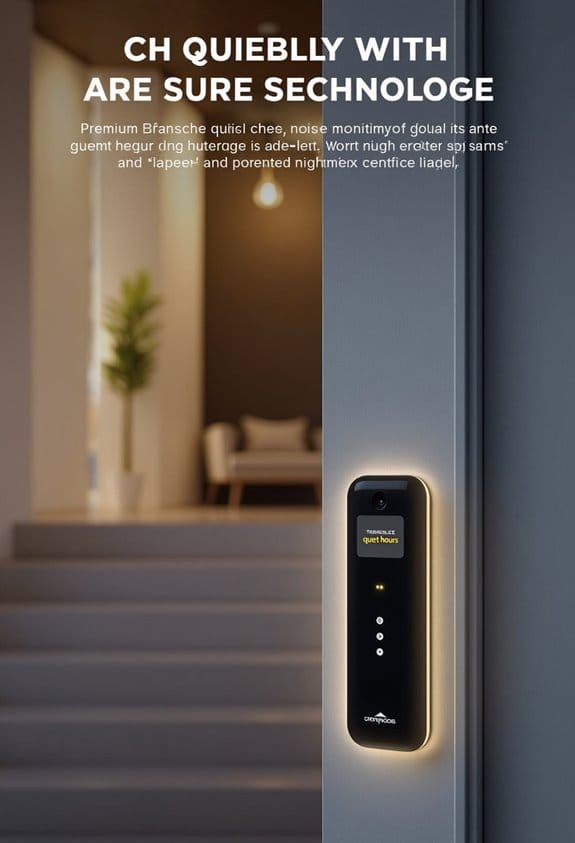
How can we guarantee that all our guests understand the importance of quiet hours? First, we should clearly define and communicate our quiet hours in our event invitations. This way, guests know the expected noise levels in advance. During the event, displaying signs that gently remind everyone of these hours reinforces our commitment to a peaceful atmosphere. It’s also helpful to explain why quiet hours are necessary, such as respecting neighbors and facilitating restful nights. We can frame quiet hours positively, promoting them as an opportunity to unwind. Finally, we should engage with guests throughout the event, providing friendly reminders to help foster a cooperative spirit. Our approach encourages all attendees to contribute to a serene environment. Utilizing a WiFi Door Chime can provide subtle notifications that uphold quiet hours without causing disruptions.
How to Host Early Events That Respect Sleep Needs
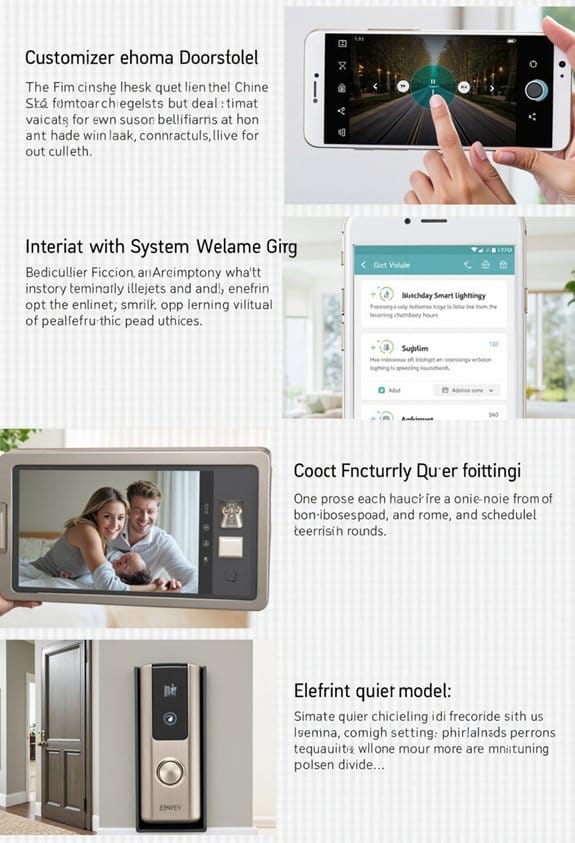
To effectively host early events that respect sleep needs, we can optimize our scheduling and activities. Early events, like brunch or morning meetings, align with our natural sleep cycle, allowing attendees to be more alert. It’s helpful to send invitations well in advance, specifying event times and emphasizing the importance of minimizing background noise. We should encourage soft music and ambient lighting to foster a calming environment. Planning events on weekdays is also beneficial since many guests wake up early during the week, maximizing attendance. For evening gatherings, quiet activities like yoga or meditation reduce disturbances for neighbors while still allowing connection. These strategies will create an enjoyable experience without compromising anyone’s sleep needs. Additionally, using night vision capabilities in smart devices can maintain security during quieter nighttime hours without causing additional noise disturbances.
Promote Fun and Quiet Activities for Gatherings
Organizing a gathering can be both enjoyable and respectful of our neighbors’ peace. One way to achieve this balance is by planning activities that promote fun without excessive noise. For instance, we can host game nights featuring board and card games that foster interaction. Quiet movie nights with themed screenings can create a cozy atmosphere while allowing conversation. DIY crafts, painting sessions, or book clubs also offer engaging options without disturbing sleep. Incorporating meditation or yoga sessions can promote relaxation and mindfulness, connecting us without added noise. By thoughtfully selecting these activities, we guarantee our gatherings are entertaining yet considerate, allowing us to enjoy time together without disrupting our neighbors’ tranquility. Additionally, utilizing technology that supports customizable privacy zones can help monitor activity discreetly during gatherings.
Top Soundproofing Techniques for a Quieter Home Environment
Achieving a quieter home environment is within reach with the right soundproofing techniques. First, we can install soundproof curtains, which greatly reduce noise transmission from outside. Next, sealing gaps around windows and doors with acoustic caulk is essential; this prevents sound leaks. Using area rugs or carpets absorbs sound vibrations, minimizing echo in our spaces. Additionally, adding soundproofing insulation to our walls can diminish airborne noise, creating a serene indoor atmosphere. Finally, strategically positioning heavy furniture against shared walls can block noise from neighbors. Each of these steps offers us manageable ways to enhance our home’s tranquility, addressing frustrations we may have with unwanted disturbances. By implementing these techniques, we can achieve a more peaceful living environment. Also, installing a video doorbell with infrared night vision can help monitor and reduce disturbances during nighttime hours.
Best Apps and Gadgets to Reduce Noise and Improve Sleep
Many of us struggle with sleep disruptions caused by noise, leading us to seek effective solutions. White noise machines, such as those from Marpac, provide consistent background sounds that mask sudden noises, helping us fall asleep faster and enjoy quality sleep. Additionally, noise-canceling apps like “Noisli” and “myNoise” let us customize soundscapes to block distractions. For those looking to enhance their sleep further, gadgets like the Sleep Number bed monitor our sleep patterns, adjusting firmness for ideal support. Bose Sleepbuds II offer wireless noise-masking technology to drown out disturbances with soothing sounds. Finally, sleep meditation apps like “Calm” and “Headspace” guide us to relax our minds, promoting deeper, uninterrupted sleep. Using devices with stable connectivity can also help maintain seamless operation of your sleep-aiding technology throughout the night.
Practical Tips for Keeping Noise Levels Down During Events
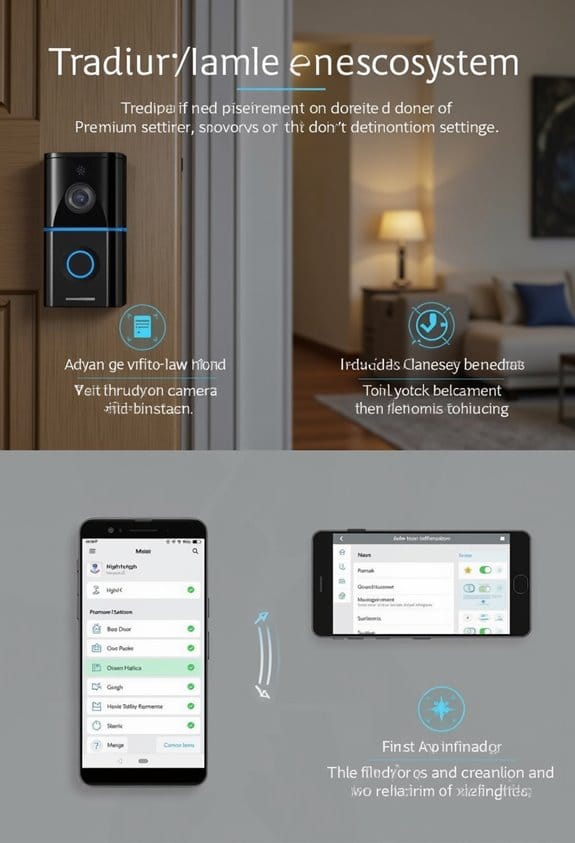
To guarantee that our events don’t disturb those living nearby, we can implement several practical strategies. First, we should establish designated quiet hours from 10 PM to 7 AM. Next, we can use heavy-duty curtains or soundproofing techniques to reduce sound leakage within our event space. If possible, indoor venues with built-in sound dampening features are ideal. We should encourage guests to keep the noise levels low by opting for softer music set below 50 decibels. Finally, communicating with guests about our noise policies guarantees everyone understands the importance of keeping disturbances to a minimum, especially in dense urban areas or near quiet zones. Additionally, customizing notification settings on smart doorbell systems can help minimize disruptions during quiet hours by suppressing alerts. By taking these steps, we can enjoy our events while respecting our neighbors.
Frequently Asked Questions
What Is the 3/2/1 Bedtime Rule?
The 3/2/1 bedtime rule encourages us to prioritize sleep hygiene: we stop caffeine three hours before bedtime, eat our last meal two hours prior, and minimize screens one hour before sleep. These practices yield bedtime benefits.
How to Quiet an Overactive Mind at Night?
To quiet our overactive minds at night, we can use mindfulness techniques like deep breathing and journaling. Incorporating relaxation exercises into our routine helps signal relaxation, making it easier to drift off peacefully.
What Are Two Ways to Combat Noise Issues When Trying to Sleep?
To combat noise issues when trying to sleep, we can use white noise machines to mask disruptive sounds and implement soundproofing techniques, like heavy curtains or acoustic caulk, creating a quieter, more restful environment for everyone.
How to Minimize Sleep Interruptions?
To minimize sleep interruptions, we should prioritize sleep hygiene by establishing a calming nighttime routine. Incorporating white noise machines or earplugs helps shield us from disturbances, ensuring we rest peacefully and wake up refreshed.