
When it comes to DIY electrical work, we should know our limits. Simple tasks, like replacing a light bulb or installing battery-operated devices, are usually safe. However, if we face issues like flickering lights, frequent breaker trips, or burning smells, it’s time to call a licensed electrician. They guarantee safety and compliance with regulations. By understanding these guidelines, we can safely manage simple tasks while avoiding dangerous mistakes. There’s much more to uncover about handling electrical projects effectively.
Key Takeaways
- For minor tasks like changing light bulbs or installing battery-operated devices, DIY is safe and manageable.
- Always turn off power at the circuit breaker before starting any electrical work to prevent electric shocks.
- Consult an electrician for persistent circuit breaker trips or flickering lights, as these may indicate complex problems.
- Characteristic signs like burning smells or scorch marks around outlets require immediate professional assessment for safety.
- Seek licensed electricians for new installations or high-powered appliances to ensure compliance with electrical codes.
When to DIY Electrical Work: Knowing Your Limits

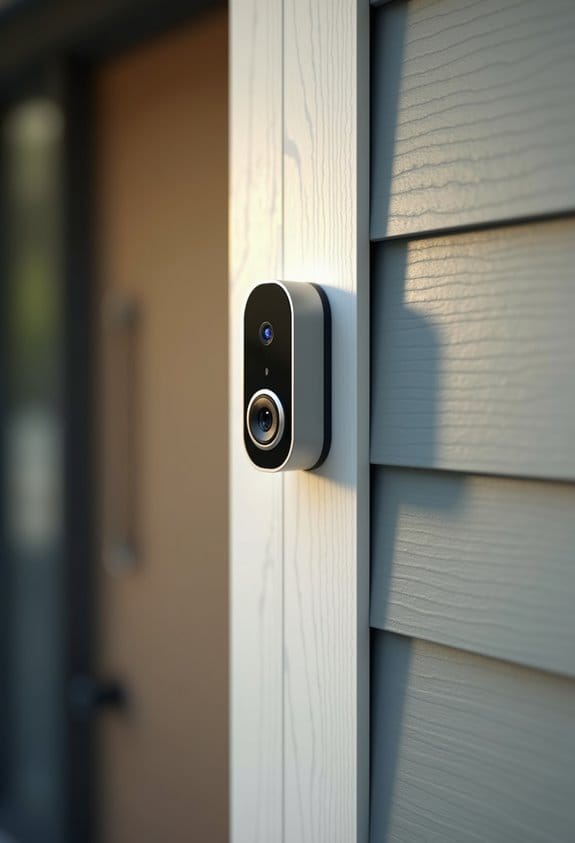
When deciding whether to tackle electrical work ourselves, it’s important to understand our limits. We can usually handle minor tasks like changing lightbulbs or installing battery-powered devices. However, for DIY electrical work, electrical safety must come first. Verify the power’s off at the breaker box before starting. If we confront unfamiliar wiring or complexities in electrical tasks—like multiple-way or dimmer switches—it’s wise to consult a professional electrician. While we can confidently tackle simple repairs, hiring a licensed electrician guarantees adherence to electrical codes and regulations, reducing legal risks. By knowing our limits upfront, we minimize the chance of complications that could arise from improper DIY work, and we maintain our home’s safety. Additionally, for devices like doorbell cameras, proper installation and placement significantly impact performance and durability.
Safety Precautions for DIY Electrical Repairs

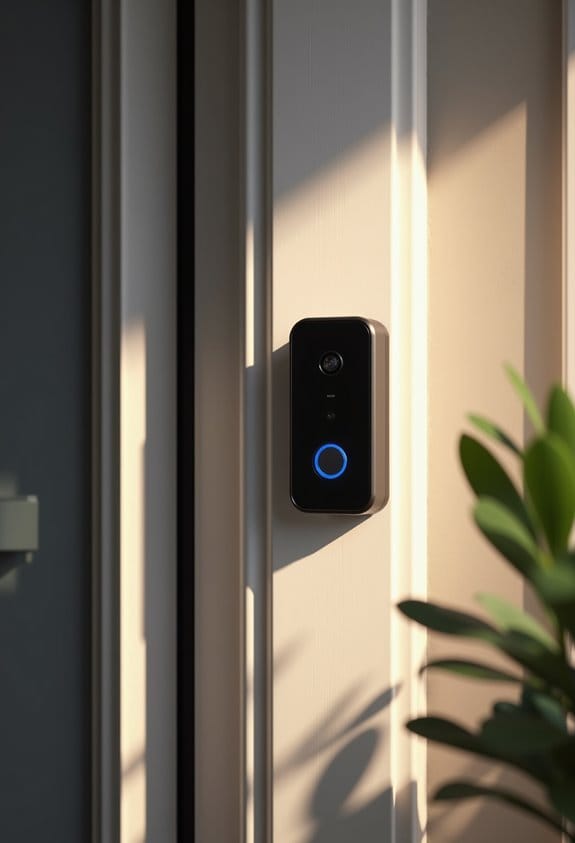
Safety should always be our top priority when undertaking DIY electrical repairs. Before we start, we must turn off power at the circuit breaker to avoid electric shocks. Using insulated tools is essential as these minimize risks when working with live wires. A professional is the safest option for complex tasks, but if we proceed, we should wear protective equipment like rubber gloves and safety glasses for added protection. It’s critical to avoid wet conditions, as moisture heightens the chance of accidents. Additionally, we need to consult manufacturer manuals for specific instructions, ensuring we apply proper knowledge throughout the process. Balancing the risks and benefits is key to safely completing our DIY electrical repairs. For tasks involving smart devices like doorbell cameras, understanding installation ease can help determine if a DIY approach is feasible or if professional help is advisable.
Simple Electrical Tasks for Homeowners

Understanding simple electrical tasks can empower us as homeowners, particularly when we’re faced with minor repairs. Replacing a light bulb is a straightforward task: just remember to turn off the power first and follow the manufacturer’s instructions. Installing battery-operated devices, like smoke alarms, poses little risk and is usually easy. When replacing a fuse, disconnect the plug from the mains and adhere to safety guidelines. Replacing a light switch involves turning off the circuit; be cautious with multi-way switches. Installing a dimmer switch is manageable by following step-by-step instructions, ensuring it’s compatible with your existing circuit. If we ever feel unsure, it’s wise to call a professional electrician to handle more complex electrical needs safely. For securing electrical components in outdoor settings, using tamper-resistant screws can provide enhanced durability and protection against unauthorized removal.
When Should You Call a Pro for Complex Electrical Issues?
Electrical systems can sometimes present challenges that are best handled by professionals. If we’re facing persistent circuit breaker trips, it’s essential to call an electrician, as these often indicate complex electrical issues. Flickering or dimming lights can signal wiring problems that licensed electricians should diagnose. We shouldn’t ignore burning smells or scorch marks around outlets; these are serious concerns that require immediate attention for safety reasons. Additionally, any installation of new circuits or high-powered appliances must be done by a licensed professional, ensuring the work complies with local codes. If we encounter unusual sparks or mismatched wires during DIY electrical tasks, it’s wise to stop and consult an electrician to avoid potential hazards and effectively fix an issue. For enhancing home security, consider professional installation of devices like the WYZE Wired Doorbell Camera v2, which requires existing doorbell wiring and complies with safety standards.
Finding a Qualified Electrician for Your Needs
Finding a qualified electrician can feel overwhelming, especially with all the options available. To guarantee you’re making the right choice, we should look for licensed professionals registered with recognized schemes like NICEIC, NAPIT, or ELECSA. Hiring someone with proof of certification, such as an Electrical Installation Certificate, is essential for peace of mind. Platforms like JustFix can connect us to vetted electricians who adhere to local codes and regulations. When faced with urgent electrical issues, seek professional help from emergency electrician services. Always read reviews and check qualifications to confirm we’re choosing a qualified electrician. Doing this not only protects our electrical system but guarantees our safety at home. Additionally, understanding the complexity of installation can help determine whether professional help is necessary or if a DIY approach is feasible.
Frequently Asked Questions
When Should You Call an Electrician?
We should call an electrician for emergency repairs, persistent flickering, unusual smells, circuit overloads, faulty wiring, overloaded sockets, or equipment malfunctions. They guarantee code compliance and safety inspections, protecting us from serious risks and potential hazards.
What Electrical Work Can Be Done Without a License?
We can handle minor tasks like changing light switches, resetting circuit breakers, and outlet installation. With proper safety precautions, we’re also capable of basic ceiling fan installations and appliance connections without needing a license.
What Is the Number One Killer of Electricians?
Electric shock is the number one killer of electricians. Together, we must prioritize electric shock safety, circuit overload prevention, and tool safety training, while remembering ladder safety tips and hazard identification to protect ourselves in the field.
Can a Non-Electrician Change a Light Fixture?
Yes, we can change a light fixture safely by following fixture installation tips, checking electrical tools like a voltage tester, ensuring wiring color codes match, and adhering to home wiring laws for energy efficiency upgrades.