
When managing outdoor cables, we can enhance both safety and aesthetics. First, we should choose weatherproof conduits to protect cables from moisture. Next, secure cables with landscape stakes or cord clips, preventing tripping hazards. It is important to group cables using cable ties while maintaining voltage separation. Regular inspections for wear are vital too. By implementing these steps, we can achieve a cleaner installation. If you’re seeking more thorough tips, there’s plenty more to explore.
Key Takeaways
- Use cable ties and cord clips to secure cables against walls and fences, eliminating visible clutter and improving the overall aesthetics.
- Employ weatherproof conduits to protect cables from moisture and elements, ensuring a cleaner, more durable installation.
- Group and label cables with sleeves or tubes for a tidy appearance, making it easier to identify and troubleshoot issues later.
- Opt for landscape stakes to keep extension cords flat and out of the way, reducing tripping hazards while maintaining a neat setup.
- Regularly inspect and maintain cables to ensure they remain secure and undamaged, preserving the clean look of your outdoor area.
Why Outdoor Cable Management Matters for Aesthetics and Safety
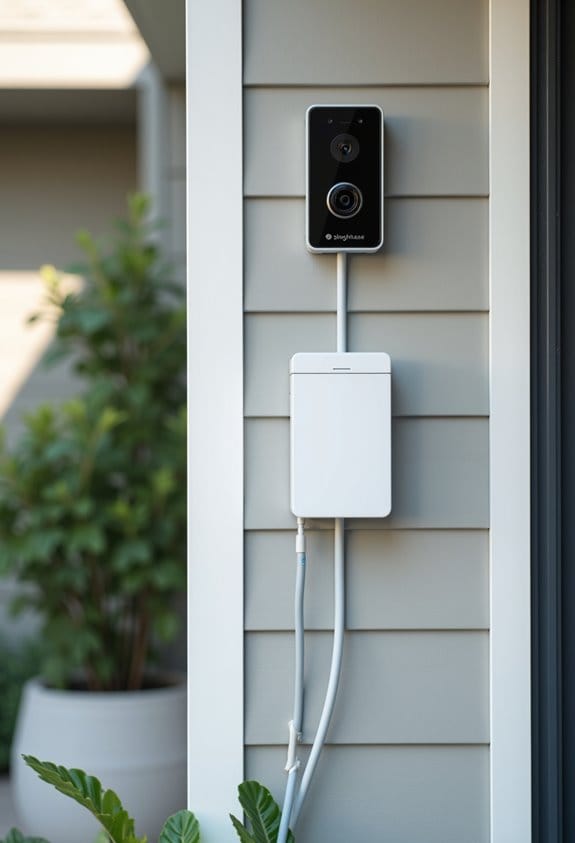
Outdoor cable management is essential not only for aesthetics but also for safety in our outdoor spaces. By using effective cable management solutions, we can keep cables organized, which enhances the visual appeal of our gardens and reduces visible clutter. Furthermore, keeping cables protected from the elements guarantees that they remain weatherproof and last longer. This protection minimizes tripping hazards, reducing the risk of accidents for children and pets. It’s important to keep high voltage and low voltage cables separated. Doing so improves safety and decreases electromagnetic interference, guaranteeing reliable operation of our power sources. In the long run, organizing cables effectively lowers maintenance costs and simplifies repairs, making our outdoor experience safer and more enjoyable. Additionally, choosing devices with UL certification ensures enhanced safety and reliability in cable installations.
Must-Have Tools for Organizing Outdoor Cables
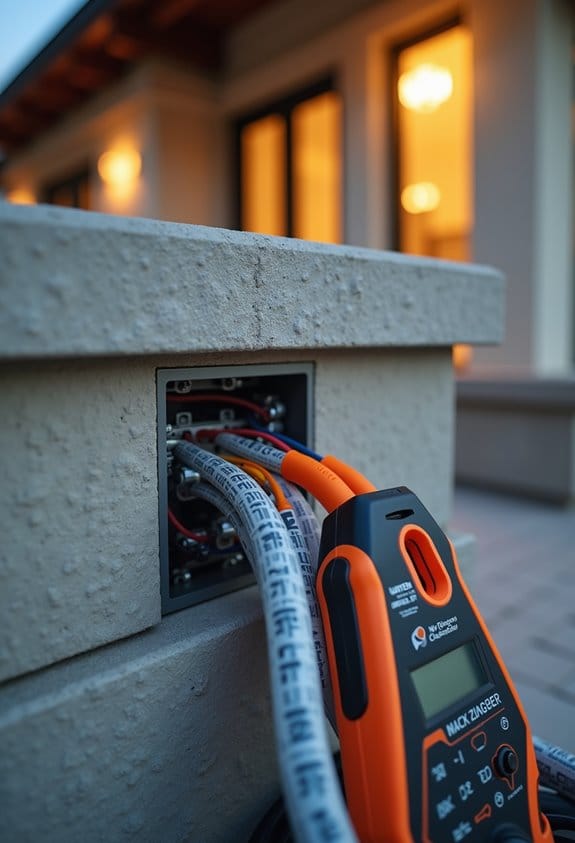
When it comes to organizing outdoor cables, having the right tools can make a significant difference. To start, we recommend using cable ties and cord clips to secure cables to walls or fences. This helps minimize movement and wear. Weatherproof conduits are essential for protecting our cables from moisture. Adhesive mounting bases provide a simple, non-invasive way to secure cables; they’re perfect for temporary setups. For bundling multiple cables, cable sleeves or protective tubes are invaluable—they simplify maintenance and organization. Finally, landscape stakes help keep extension cords flat and hidden; place them every 3-4 feet to reduce tripping hazards and enhance the visual aesthetic of our outdoor spaces. These tools will improve both cable longevity and safety. Additionally, choosing the right power source, such as battery-powered or wired options, is crucial for ensuring stable performance during outdoor installations.
How to Secure Outdoor Cables: A Step-by-Step Guide
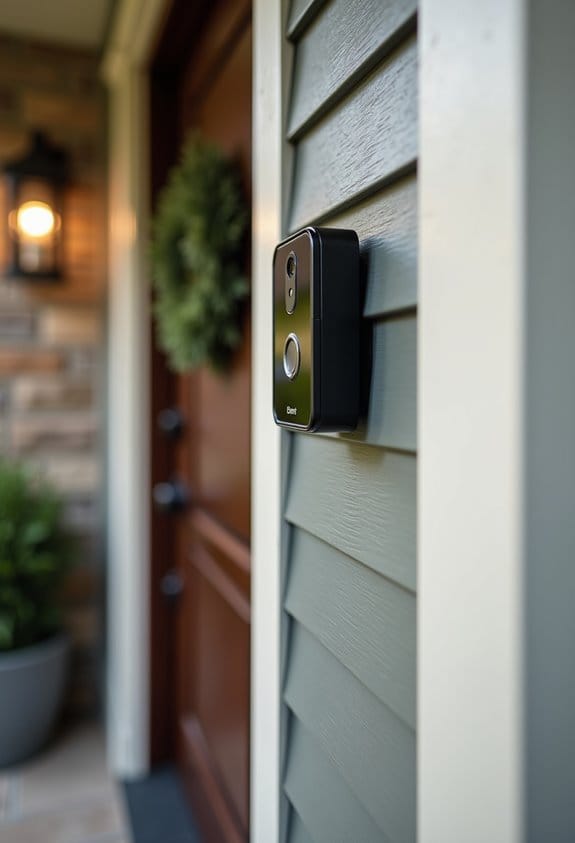
Securing outdoor cables properly guarantees safety and longevity, preventing potential hazards in our outdoor spaces. First, we assess our outdoor outlets and planned cable paths, using weatherproof conduits to protect cables from moisture. Next, we employ landscape stakes or cord clips to secure cables to the ground, avoiding trip hazards while keeping cables flat against pathways. It’s wise to group cables together with cable ties or protective sleeves, ensuring high voltage wires stay separate from low voltage ones. For installations with power strips, we should regularly inspect our secured setups for signs of wear or damage. Finally, we plan for future expansions by organizing our cable management solutions, so our setups remain tidy as we add new features like lighting or irrigation systems. Additionally, utilizing wiring kits with UV-resistant designs can prolong cable durability in outdoor environments.
Best Practices for Maintaining Your Outdoor Cable Setup
Maintaining our outdoor cable setup is essential for ensuring reliability and safety. First, we should regularly inspect our cables for any signs of wear. If we notice any fraying or damage, those cables need to be repaired or replaced promptly. Utilizing weatherproof conduits will protect our cables from moisture, while adhesive mounts help organize and reduce visual clutter. It’s also critical to label all cables and connections; this simplifies troubleshooting during maintenance. We should schedule routine checks, especially after new installations or garden growth. Finally, to secure our cables and prevent tangling or movement from wind, we can use clips and stakes. Choosing weather-resistant materials for mounts and conduits will ensure long-term durability and protection against harsh outdoor conditions. Following these practices will keep our outdoor cable management clean and efficient.
Frequently Asked Questions About Outdoor Cable Management?
What are some common concerns we face with outdoor cable management? Many of us worry about how to keep our cables secure and protected from the weather. It’s crucial to use weatherproof materials like conduits for running cables, especially if we’re burying them in gardens. For added safety, consider using surge protectors to safeguard devices from power spikes. To maintain aesthetics, we often look for ways to incorporate decorative elements that can hold cords in place without being unsightly. Adhesive mounting bases can be effective for non-invasive cable management. By addressing these questions and implementing best practices, we can enhance our installations while ensuring safety and functionality in outdoor environments. Additionally, selecting products with built-in protections such as short-circuit protection and fireproof materials greatly improves overall safety during outdoor installations.
Frequently Asked Questions
How to Make Cable Management Look Good?
We can make cable management look good by using cable routing techniques, decorative cable covers, and color coded cables. DIY cable solutions and strategic placement tips with weather resistant materials will guarantee a minimalist design approach.
How to Make Cables Look Tidy?
“A place for everything and everything in its place.” We can tidy cables using cable wraps, outdoor clips, and color coding. Adding cable sleeves, zip ties, mounting brackets, and adhesive organizers really helps us create a neat appearance.
How to Make Cables Look Neater?
To make cables look neater, we can use cable wraps and sleeves for organization, cable ties for bundling, clips for securing, ducts or trays for concealment, and labeling for easy identification, enhancing both functionality and aesthetics.
How to Make Cables Look Cleaner?
When we think of cable chaos, it’s like tangled vines choking a garden. By using cable sleeves, routing them neatly with adhesive clips, ties, channels, and wraps, we can color code for a beautifully organized setup.