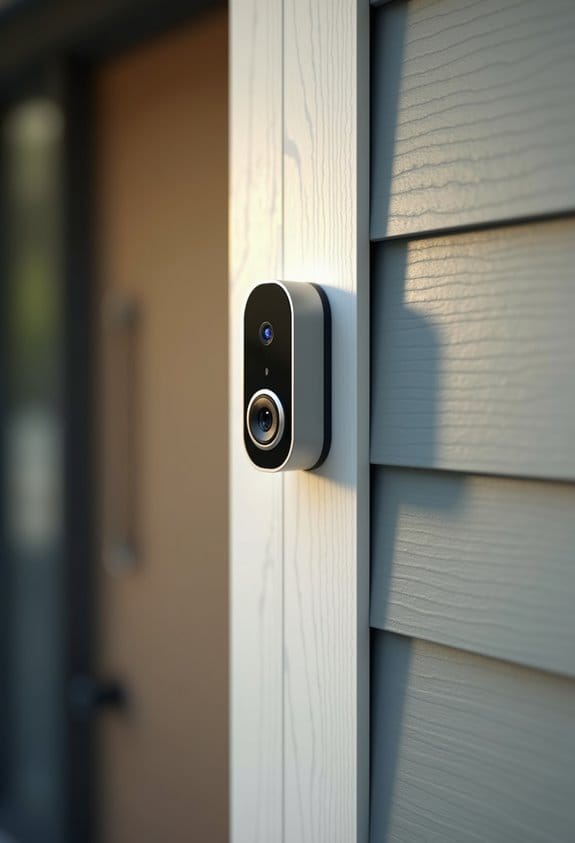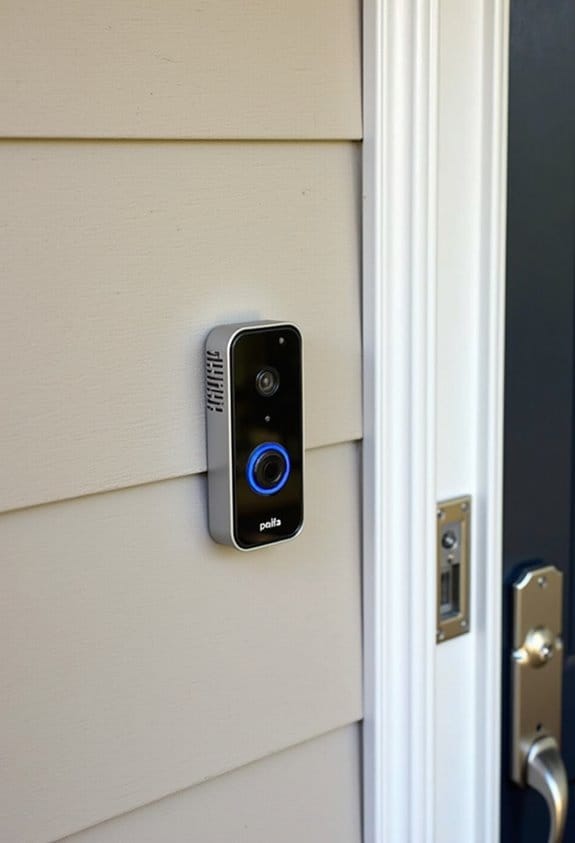

When installing on brick, stucco, or concrete, we must select the right anchors, like sleeve anchors for masonry or epoxy anchors for heavier loads. Using standard drill bits, we should pre-drill holes—aim for at least four inches away from edges to avoid cracks. It’s important to keep drill holes clear of dust for better fastener adhesion. Finally, applying silicone sealant around screw holes helps protect against moisture damage. Let’s explore essential tools and techniques for successful installations.
Key Takeaways
- Select the appropriate anchors: sleeve anchors for strength, epoxy anchors for heavy loads, and Tapcon screws for lighter tasks.
- Use standard drill bits for stucco and ensure precise pilot holes to enhance anchor strength and prevent damage.
- Employ a stud finder to locate secure mounting points behind stucco before drilling.
- Keep drilled holes clean using a vacuum or blower to ensure effective placement of fasteners.
- Apply silicone sealant around screw holes for moisture protection and consider weatherproof materials in harsh conditions.
Selecting the Right Anchors for Your Masonry Project

When working with masonry, selecting the right anchors is essential for the success of our projects. Sleeve anchors are highly recommended for their expanding ability, providing a secure hold in brick or concrete. For heavier loads, we should consider epoxy anchors, which bond effectively with the material. Tapcon screws are a great choice for lighter tasks, allowing for easy installation without needing a separate anchor. To maximize anchor strength, we must focus on drilling precise pilot holes. The holes should be clean and accurately sized to guarantee better adhesion. Additionally, we should avoid over-torquing lead expansion sleeves, as this can lead to slippage or rotation. Following these guidelines will help us achieve strong, reliable installations in our masonry projects. It is also important to ensure we have an appropriate drill bit size and use a level for proper alignment during installation.
Must-Have Tools for Efficient Anchor Installation

Installing anchors securely requires the right tools, ensuring the job’s efficiency and effectiveness. First, a good stud finder is essential for accurately locating studs behind stucco, which helps in secure mounting. Next, we recommend using a standard drill bit for pre-drilling holes in stucco, as this suffices without the need for specialized masonry bits for smaller holes. Safety glasses are also a must—their protection from debris while drilling can save a lot of trouble. Additionally, having both heavy-duty and economy setting tools provides flexibility based on the project’s scale and budget. Finally, applying silicone sealant between screw holes and the mounting box enhances weatherproofing, preventing moisture ingress and extending longevity. Choosing components with UL certification ensures added safety and reliability during installation.
Safe Drilling Techniques for Preserving Your Masonry
Having the right tools can make a significant difference in our anchor installation projects, especially when it comes to preserving masonry integrity. When using a hammer drill, it’s essential to drill at least four inches away from concrete edges to prevent cracking. If we’re close to edges, we should turn off the hammering feature to reduce outward pressure. This practice helps maintain the masonry’s stability. Additionally, opting to drill into mortar joints rather than brick makes repairs easier and avoids potential cracks in our walls. To enhance efficiency, using a drill with a removable sleeve can minimize the need to switch between drill bits and drivers. Finally, keeping our drill holes clear of dust and debris promotes better fastener adhesion. Ensuring proper installation techniques aligns with easy installation principles found in top mechanical chime systems to avoid damage and ensure secure mounting.
How to Ensure Clean Holes for Secure Anchors
Ensuring clean holes for secure anchors is essential for a successful installation. Dust and debris can accumulate in drilled holes, making it harder to place fasteners effectively. After we drill, we should use a vacuum, baby syringe, or blower to immediately clear any dirt. This step helps us achieve full insertion of fasteners, maximizing bond strength and installation quality. Additionally, using the correct drill tips designed for masonry materials will help create precise holes and prevent damage during installation.
Weatherproofing Your Installations to Last
When we think about our installations, it’s crucial to remember that weatherproofing greatly impacts their durability. To prevent moisture damage, we should apply silicone sealant around each screw hole. This creates a waterproof barrier, vital for safeguarding our fasteners from water infiltration. In areas with high temperatures and humidity, weatherproofing becomes even more important, as it can help retain bond strength for non-mechanical fasteners. We should also consider using adhesive options that allow for future repairs without sacrificing installation integrity. By consistently implementing weatherproofing measures, we can substantially enhance the longevity of our anchors and installed materials. This approach saves us from costly rework and ongoing maintenance, ultimately ensuring our projects last longer. Additionally, using stainless steel screws can further improve corrosion resistance and durability in harsh weather conditions.
Avoid These Common Anchor Installation Mistakes
Proper anchor installation is essential to guarantee a secure and lasting hold in brick, stucco, or concrete. One common mistake is drilling holes too close to the edges of concrete; we should maintain at least a four-inch distance to avoid cracking. Clearing dust and debris from the hole is also critical. Using a vacuum or blower helps to confirm proper fastener placement. Additionally, we must select the right anchor types; wedge-type anchors near edges create dangerous outward pressure. When pre-drilling holes, precision matters, as incorrect drilling can damage soft masonry. Finally, over-tightening anchors risks fracturing brick, so applying the appropriate torque is crucial for maintaining material integrity. Choosing the right durable materials can further enhance the longevity and security of your installation. Let’s avoid these pitfalls for a successful installation.
Frequently Asked Questions
Will Concrete Anchors Work on Brick?
Concrete anchors can absolutely work on brick! We’ve found that understanding the brick strength and using proper anchors are vital for a strong bond. Let’s guarantee our installation is secure and withstand some serious pressure.
What Kind of Anchors to Use on Stucco?
For stucco, we should use plastic expansion anchors for smaller screws, while masonry screws provide a secure fit for more substantial items. Let’s also be cautious to avoid making holes too large to guarantee anchor strength.
Is It Better to Drill Anchors Into Brick or Mortar?
We believe it’s better to drill anchors into mortar rather than brick. Mortar offers flexibility and easier repairs, preserving brick strength and preventing damage, especially when using expanding fasteners that could crack bricks under pressure.
How Do You Drill Anchors Into Stucco?
To drill anchors into stucco, we must first pre-drill with a standard bit, use gentle pressure, and apply silicone sealant afterward. This method helps us tackle any stucco challenges while ensuring a secure installation.