
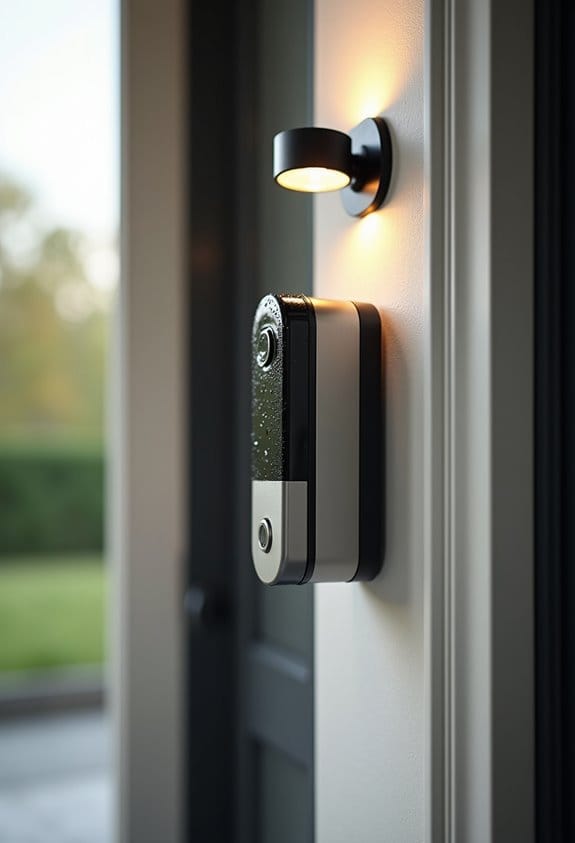

To effectively weatherproof our homes, we must address seals and gaskets, which are essential in preventing water intrusion. Let’s inspect and replace worn seals around doors and windows. Using silicone gaskets can provide lasting protection. We should also routinely check roofs for missing shingles and guarantee gutters direct water away from foundations. Signs of water damage include damp spots, musty odors, and the presence of mold. Learning these details can help us safeguard our homes effectively.
Key Takeaways
- Regularly inspect and replace worn seals and gaskets around doors and windows to prevent moisture entry.
- Check roofs for damaged shingles and seal any gaps to enhance waterproofing.
- Ensure proper drainage with functional gutters and downspouts to avoid water pooling near foundations.
- Watch for signs of water damage, such as damp spots, musty odors, and visible cracks, indicating moisture intrusion.
- Apply waterproof coatings to foundation walls and exterior surfaces for added protection against moisture.
Understanding Water Intrusion: Common Causes and Risks

When we consider the integrity of our homes, understanding water intrusion is essential, as it can lead to significant damage if left unchecked. One common cause is poor drainage systems that can’t adequately handle heavy rain, allowing water to pool around our foundations. Additionally, plumbing leaks can introduce moisture where we least expect it. We must be vigilant for warning signs like musty odors, discoloration on walls, or bubbling paint, as these indicate moisture presence. Entry points, such as seals around doors and windows, require regular inspection to mitigate risks. If waterproofing isn’t effectively applied, it can lead to structural degradation over time. Proactively addressing these issues saves us from costly repairs and lengthy inconveniences. Using properly designed waterproof cables can help prevent water intrusion in outdoor electrical installations.
How to Spot Water Intrusion in Your Home?

How can we effectively identify water intrusion in our homes? First, we should look for signs of water damage like damp spots, discoloration, or peeling paint on our exterior walls. Musty odors in spaces like basements or closets often indicate moisture and possible mold growth. We must also check for warped flooring or raised baseboards, as these can signal that water may have penetrated beneath surface materials. It’s crucial to inspect for cracks in your foundation or brickwork, as these can be entry points for water. Additionally, noticing efflorescence, a chalky substance, indicates that moisture is coming through masonry. Regular inspections and proper drainage are key components in our waterproofing strategy to prevent further issues. Using durable EPDM rubber seals around doors and windows can also help block moisture and prevent water intrusion.
Top Weatherproofing Strategies for Your Home
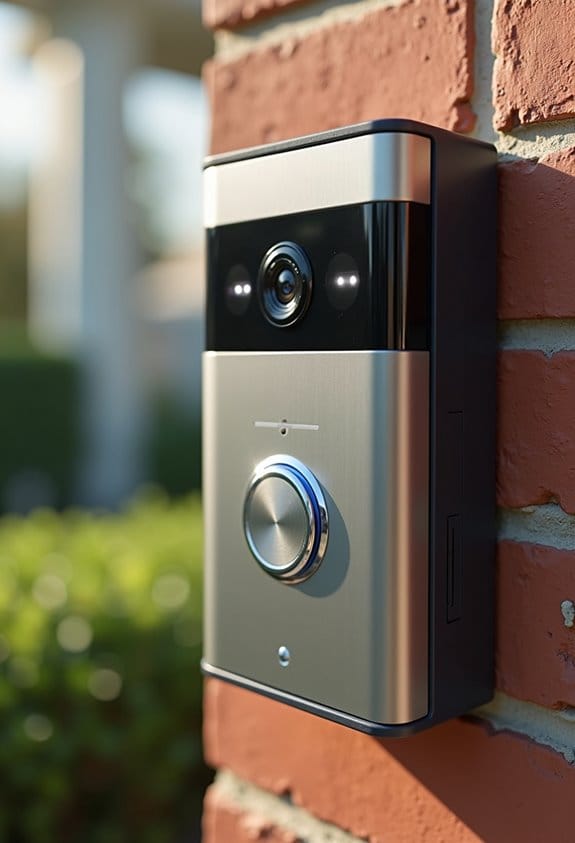
Investing time in effective weatherproofing strategies can substantially enhance our home’s resilience against moisture and temperature fluctuations. First, we should inspect and replace worn seals and gaskets around doors and windows to prevent moisture intrusion. Regularly checking our roof for damaged shingles and sealing gaps is vital for avoiding leaks. Applying waterproof coatings to foundation walls and exterior surfaces helps reduce water damage and mold growth. Additionally, ensuring proper drainage with functional gutters and downspouts channels rainwater away from our home’s foundation. Seasonal checks of sump pumps in basements and crawl spaces are also essential to prevent moisture buildup and flooding during heavy rain events. To further protect your home, consider installing weatherproof protective cages on outdoor smart devices to shield them from rain, snow, and dust. By addressing these areas, we can effectively mitigate potential water intrusion issues.
How Seals and Gaskets Prevent Water Intrusion
Seals and gaskets play an essential role in safeguarding our homes from water intrusion. These components act as barriers that prevent moisture from entering through joints, cracks, and openings around windows, doors, and other structural components. High-quality weather seals can greatly reduce air and moisture infiltration, improving indoor air quality while enhancing energy efficiency. Regular inspection and maintenance of these seals is vital; it helps us identify wear, aging, or gaps that could compromise waterproofing. Using durable materials like silicone or rubber guarantees long-lasting protection against moisture, adapting to changes in temperature and pressure. Proper installation techniques are important, as misalignment can create vulnerabilities. By maintaining our seals and gaskets, we protect our homes from unwanted water intrusion effectively. Additionally, incorporating devices with weather-resistant design as seen in advanced video doorbells can complement your home’s overall protection against the elements.
Recognizing When to Call Professionals for Water Intrusion Help
When it comes to water intrusion in our homes, we often overlook signs that indicate professional help is needed. If we smell persistent musty odors or see visible cracks in our walls and foundation, it’s time for a professional inspection. Peeling paint or bubbling wallpaper could signal trapped moisture, requiring attention. Frequent humidity or condensation can suggest inadequate ventilation, leading to potential mold growth. If we spot damp areas or stagnant water, we should contact experts for an all-encompassing moisture assessment. Addressing these signs early can prevent expensive repairs down the line. Remember, identifying water intrusion early on is vital for maintaining a healthy living environment in our homes. Additionally, using weatherproof materials such as galvanized iron or stainless steel can help protect vulnerable exterior areas against water damage.
Frequently Asked Questions
What Does Water Intrusion Look Like?
Water intrusion looks like water stains, musty odors, and peeling paint. We might notice warped wood, damp insulation, cracked walls, rust spots, bubbling wallpaper, or even signs of mold growth, indicating serious foundation issues.
How to Tell if Water Is Getting Behind Siding?
During our siding inspection, we should look for water stains, siding buckles, and mildew growth. A moisture meter can help detect hidden moisture, while checking weather seals guarantees proper caulking to prevent wood decay and interior wall damage.
How to Tell if Stucco Has Water Damage?
To tell if stucco has water damage, we should look for discoloration signs, inspect cracked surfaces, check for peeling paint clues, assess caulking integrity, and detect damp smells or efflorescence presence indicating moisture issues.
How Long Does It Take for a Water Leak to Cause Mold?
Mold growth can start within 24 to 48 hours after a leak. To prevent water damage, we should focus on leak detection, maintain moisture levels, guarantee good air circulation, and regularly inspect building materials to avoid costly repairs.


