In two-way talk, latency is the delay in audio signals, ideally under 20 ms for smooth communication. Echo occurs when sound reflects, affecting clarity, especially with latency over 30 ms. To improve our experience, we should adjust audio settings, employ full duplex technology for simultaneous speaking, and use wired connections where possible. Regular firmware updates help optimize device performance. By applying these best practices, we can considerably enhance our communication effectiveness as we endeavor for clarity and quick interactions.
Key Takeaways
- Latency below 20 ms ensures smooth communication in two-way talk, whereas delays over 30 ms disrupt conversation flow significantly.
- Echo complicates communication clarity; reducing volume and adjusting microphone sensitivity can minimize its impact.
- Utilizing full duplex systems allows simultaneous talking and listening, effectively reducing both latency and echo.
- Regular firmware updates and low audio buffer sizes enhance device performance, helping to maintain optimal audio quality during communication.
- Testing microphone placement and employing noise cancellation technology can greatly improve clarity, especially in noisy environments.
What Is Latency in Two-Way Talk?

When we talk about latency in two-way talk, we’re referring to the delay that occurs between sending and receiving audio signals. This audio latency can be affected by various factors, like processing time from audio interfaces and network transmission times, often measured in milliseconds (ms). We usually find that acceptable latency for smooth communication is under 20 ms; once it surpasses 30 ms, noticeable disruptions can happen. In full duplex systems, we can talk and listen simultaneously, reducing the perceived latency. However, half duplex setups require a push-to-talk mechanism, which can introduce pauses and delays. To minimize latency, we can optimize our audio settings and use direct connections instead of wireless for better performance. Additionally, proper placement and spacing of devices, such as maintaining 20-30 feet distance, can significantly enhance communication efficiency and reduce delays.
Understanding the Role of Echo in Communication Devices

Echo can be a frustrating aspect of two-way communication devices, complicating the clarity of our conversations, especially in loud environments. When we experience echo, it often stems from sound reflecting off surfaces. Latency can worsen this issue; delays exceeding 15-30 milliseconds between speaking and hearing responses can lead to noticeable echo effects. To improve audio quality, we can make adjustments to our devices. Reducing volume and fine-tuning microphone sensitivity are effective steps. Additionally, using full duplex communication modes enables us to talk and listen simultaneously, minimizing echo. By considering these factors, we can greatly enhance our experience, making our conversations smoother and more enjoyable. Taking these measures ultimately leads to clearer communication. Using devices with two-way audio features ensures real-time conversation and can help reduce latency and echo problems.
Why You Should Care About Latency in Conversations?

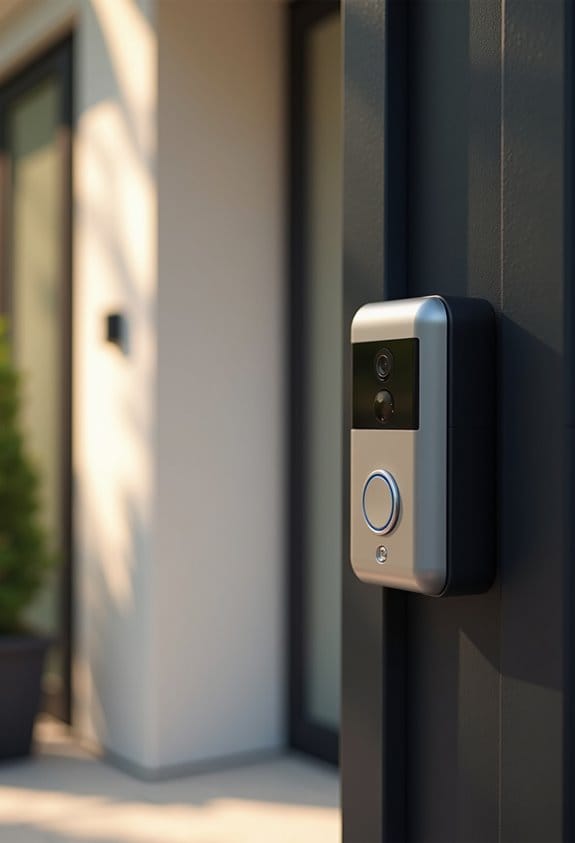
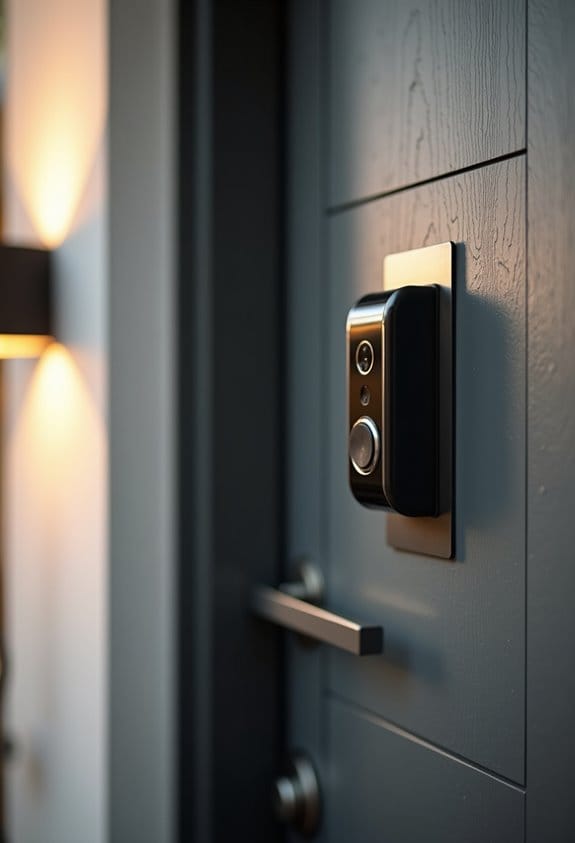
Understanding echo in two-way communication devices helps us recognize another critical factor: latency. Latency affects our conversations by introducing delays that can reach up to 30 milliseconds. This can disrupt the natural flow of dialogue, making interactions feel disconnected. In professional settings, even a delay greater than 15 milliseconds can impede timing and coordination. Musicians and speakers often rely on immediate feedback, so they need less latency to maintain their performance quality. It’s crucial to monitor audio settings and optimize direct monitoring technology to minimize these delays. By addressing latency, we guarantee clearer, more effective communication, allowing both parties to engage seamlessly without disruptive pauses or misunderstandings. Additionally, integrating technology with comprehensive coverage such as a Blink Doorbell system can enhance overall communication and security in smart home environments.
Best Practices to Reduce Latency and Echo
To enhance our two-way communication experiences, implementing best practices that minimize latency and echo is essential. Latency refers to the delay in audio signals, and addressing this can greatly improve our conversations. First, we should keep audio buffer sizes low during recordings, adjusting them higher when editing. Utilizing direct monitoring helps us hear audio in real-time, avoiding processing delays. We must verify our internet connection is wired; using ethernet instead of Wi-Fi cuts down latency when communicating online. Regularly updating our device firmware and software can fix bugs that contribute to latency issues. Finally, testing and adjusting microphone placements minimizes echo, improving clarity in our audio interactions. Additionally, choosing devices with high-quality speakers ensures crystal-clear communication and reduces distortion during conversations.
Audio Modes: Full Duplex vs. Half Duplex
When we talk about audio communication, it’s essential to grasp the differences between Full Duplex and Half Duplex modes. Full Duplex allows simultaneous talking and listening, much like a phone call, providing a smooth communication flow with lower latency. This can be especially beneficial in two-way baby monitors, where timely interactions are critical for comforting parents and children alike. In contrast, Half Duplex, often seen in push-to-talk devices like walkie-talkies, forces users to pause while speaking, which can disrupt conversations. Understanding these audio modes helps us choose the right solution for our needs, ensuring better experiences in various environments. Whether it’s soothing a child or coordinating with others, knowing the features of Full Duplex should guide our choice. Devices offering two-way audio functionality enhance convenience and security by facilitating real-time conversations.
Key Features of Two-Way Talk Devices
Two-way talk devices feature several key elements that enhance communication and monitoring between caregivers and their children. These devices typically utilize Full Duplex audio for seamless conversation without interruptions. When we conduct a latency test, we find that keeping audio latency under 30 ms is vital for real-time interactions. This guarantees our soothing voice reaches our child almost instantly. Additional features like adjustable volume levels, motion, and sound alerts allow us to monitor effectively, keeping disturbances to a minimum. Many models also include both local and cloud storage options, adding flexibility for our data. Battery-saving modes and eco settings further extend device life during travel, ensuring we can always maintain signal flow for both audio and video communications. The integration of two-way audio communication in doorbell security cameras exemplifies how real-time interaction enhances safety and convenience.
Troubleshooting Common Two-Way Talk Issues
While using a two-way talk device to communicate with your child, it’s not uncommon to encounter issues that can disrupt clarity and reliability. Latency, for instance, can cause audio delays exceeding 15-30 milliseconds, making conversations confusing. If you experience echo, make sure the microphones and speakers aren’t too close, as this proximity may create feedback loops. To troubleshoot, we should first check that the baby monitor’s firmware is updated to eliminate known bugs. Regularly testing the two-way audio in different environments can help assess signal quality and clarity. Finally, low battery levels might lead to dropouts, so keeping both units charged guarantees better reliability. Following these steps can help improve our experiences. For enhanced communication, devices featuring two-way audio capabilities allow direct interaction via smartphone, improving overall convenience and security.
Practical Tips for Improving Two-Way Talk Communication
Improving communication with a two-way talk device requires attention to several vital factors. First, we should guarantee our device supports Full Duplex communication, allowing us to talk and listen simultaneously. To reduce latency, it’s best to use a direct wired Ethernet connection instead of Wi-Fi, as it greatly improves clarity. Next, adjusting audio settings, such as volume and sensitivity, helps eliminate feedback or echoes during sessions. Regularly updating our device’s firmware is essential; this can fix bugs and enhance communication quality. Finally, we need to test device placement to avoid interference from walls or other electronics. Additionally, leveraging noise cancellation technology can significantly enhance the clarity of conversations during two-way communication. By following these tips, we can enhance our two-way talk experiences for clearer and smoother interactions.
Frequently Asked Questions
Is Latency One Way or Two Way?
Latency can be both one-way and two-way. We’ve noticed that factors like network congestion greatly affect audio synchronization, leading to delays in communication. It’s essential we address these issues to enhance our overall experience.
What Approach Is Best to Determine Where the Latency Is Coming From?
To determine latency’s source, we should combine latency measurement techniques, network speed analysis, and effective troubleshooting methods. This thorough approach helps us pinpoint where delays occur within our audio system and optimize performance accordingly.
What Is the Rule of Latency?
The rule of latency states delays impact communication quality. We should use latency measurement techniques and network optimization strategies to mitigate material impact, ensuring our interactions remain fluid and efficient, especially during real-time conversations.
Which Technique Helps in Reducing Latency in Real-Time Messaging?
Well, if only message queuing, data compression, and network optimization could sprinkle magic dust on latency! Luckily, they actually do help reduce delays in real-time messaging, making our conversations more seamless and delightful. Let’s cheer for tech!