
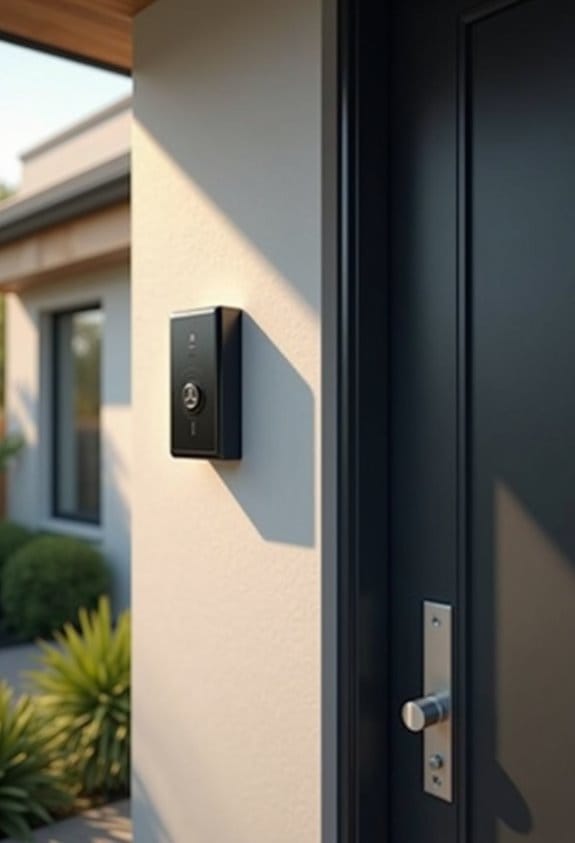

If we’re facing two-way audio issues, let’s first check our physical connections. Make certain all cables connecting the microphone and speaker are secure, and inspect for visible damage. If they’re connected properly, we should assess our audio settings and confirm the microphone’s volume is maximized and permissions are enabled in our applications. Next, let’s look for any software conflicts by disabling other audio applications. If problems persist, we’ll consider a hardware check or professional assistance for assistance.
Key Takeaways
- Ensure all microphone and speaker connections are secure and free from damage or visible wear.
- Check audio settings and maximize volume levels for clear transmission in the device/app.
- Verify firmware updates and explore software conflicts that may block audio functionality.
- Test the microphone and speaker with alternate devices to isolate the issue effectively.
- Seek professional help if troubleshooting does not resolve the two-way audio problem.
How to Check Physical Connections

When troubleshooting two-way audio issues, it’s essential to start by checking the physical connections. First, we should make sure all cables, including the microphone cable, are securely connected to both the microphone and speaker. Next, let’s inspect the devices for visible damage, such as cracks or frayed wires, which may require repair or replacement. If we’re using any adapters or extension cables, these need to be verified for compatibility and functionality. Testing the microphone and speaker with alternate devices can help pinpoint the issue more accurately. Finally, cleaning all connections with an appropriate electronic cleaner will remove dirt or oxidation, which often impede audio transmission. Additionally, considering the device’s weather resistance and durability may help identify if environmental damage is affecting the audio components.
Why Your Audio May Fail

Audio problems can be frustrating, especially after ensuring our physical connections are secure. If our microphone or speakers aren’t properly connected, it can block signals necessary for clear audio transmission. Additionally, mismatches in signal levels between different types of equipment—like microphones and guitar amps—can disrupt the expected performance. We should also check for floating ground pins or incorrect power connections, as these can create static noise or cut off audio entirely. Firmware issues or specific app settings might require us to adjust configurations for functionality. Finally, external interferences or weak wireless signals can lead to communication problems, underscoring the need for good proximity and signal integrity during device use. Ensuring devices have encrypted communication protocols also helps maintain clear and secure audio transmission.
Optimizing Your Device’s Audio Settings

To enhance two-way audio communication, we should first affirm our device’s audio settings are optimized. We need to maximize the volume levels for both the microphone and speaker. This guarantees proper audio transmission. Next, let’s verify that all audio-related settings in the app or system preferences are enabled, as misconfigurations can mute or lower sound quality. It’s also wise to check for firmware or software updates; manufacturers often provide patches to fix known audio issues. We might consider using audio troubleshooting tools available within device settings to diagnose problems accurately. Additionally, experimenting with different audio codec settings can help. This simple change may resolve any compatibility issues hindering our two-way communication. Ensuring your device’s compatibility with smart home devices can further enhance overall audio performance and integration.
Troubleshooting Software Conflicts
Software conflicts can disrupt two-way audio functionality, making troubleshooting essential. First, check for conflicts between software applications that may be competing for audio resources. Confirm any audio-related permissions in the app settings are enabled, especially on devices like iPhones, where privacy settings can restrict audio functionality. Next, verify both the device and app are updated; outdated software may contain bugs affecting audio performance. If issues persist, temporarily disable other audio-related applications running in the background. This step can help identify if they’re causing interference. Additionally, exploring user forums may uncover known software conflicts and recent updates that could resolve specific audio issues reported by others. Taking these steps should help restore two-way audio. It’s also important to ensure your device has a reliable internet connection to prevent disruptions in audio transmission.
Essential Tips for Clear Audio
When we want clear audio during our conversations, guaranteeing that all settings and equipment are fine-tuned is essential. First, we should check that all audio input settings in the app are configured correctly, with the volume turned up to maximum. Testing various microphones and cables can help us identify any hardware malfunctions. Regularly cleaning and inspecting electrical connections and jacks helps maintain signal flow. Implementing a high-value resistor and capacitor in the audio circuit can enhance signal integrity and reduce unwanted noise. Additionally, staying updated on firmware and addressing known issues within user communities can provide solutions to persistent audio problems. Finally, if we’re using a wireless microphone, we must verify it’s powered and in range for ideal functioning. Adjusting the access settings remotely via the app can also help resolve audio communication issues by ensuring proper permissions and device control.
How to Conduct a Hardware Check
Conducting a thorough hardware check is essential for ensuring our audio equipment functions correctly, especially since even minor issues can lead to significant disruptions. First, let’s verify all audio cables are securely connected to the microphone, speaker, and amplifier to prevent any loose connections. Next, check that the microphone is powered on; a turned-off mic won’t capture audio. Inspect the mic’s cable for visible damage like fraying or cuts. If we’re still facing issues, it’s wise to test the mic with a different compatible speaker or amplifier to isolate the problem. Finally, we can utilize a multimeter to measure continuity in the mic’s connections, ensuring nothing hinders functionality. If problems persist, we’ll need to turn it back and reassess our setup. Additionally, considering two-way audio features in smart devices can help verify whether both microphone and speaker components are functional during troubleshooting.
When to Call for Professional Help
Although we often prefer to solve audio issues on our own, there are times when calling for professional help is the best course of action. If troubleshooting steps haven’t resolved the two-way audio issue on your wireless system, it may indicate a deeper problem. When we’ve adjusted settings, checked connections, and updated firmware, yet the issue persists, it’s wise to seek professional assistance. Experts possess specialized diagnostic tools that can identify hidden issues, especially if the problem occurs across multiple devices. If customer support has suggested hardware replacements without addressing potential software flaws, consulting a technician becomes imperative. Additionally, if online communities highlight widespread concerns, that’s a clear sign it’s time to hire a professional for effective resolution. It’s also important to verify compatibility with smart home integration to rule out connectivity conflicts before proceeding.
Frequently Asked Questions
How to Fix Mic Speaker Problem?
To fix our mic speaker problem, we’ll start with audio calibration, checking settings and volume levels. If issues persist, let’s test different microphones and examine connections to guarantee everything’s working properly and securely.
What Is the 3 to 1 Rule for Microphones?
The 3 to 1 rule for microphones guides our microphone placement, ensuring each mic is positioned at least three times farther from others than from its sound source. This minimizes feedback and enhances sound clarity for everyone involved.
How to Fix Double Mic Audio?
To fix double mic audio, let’s check our audio settings, eliminate feedback loops, adjust gain, and guarantee only one mic is active. This’ll help reduce audio feedback and improve our overall sound quality.
What Are Common Mic Speaker Problems?
Back in the day, we’d have a grand ol’ time jamming out, but today, common mic-speaker problems include audio interference, misconfigured volume settings, malfunctioning cables, and pesky feedback loops that ruin our groove.


