
When designing our alert strategy, we should understand that phone notifications are push messages appearing on screens, ideal for non-urgent updates. Chime alerts are sound-based and demand immediate attention during app use. To enhance engagement, we recommend personalizing notifications and using rich media. It is crucial to balance the frequency of alerts to prevent notification fatigue. Using both effectively helps optimize user responses. For more details on crafting these alerts and practical examples, we can explore further.
Key Takeaways
- Understand the distinction: phone notifications are passive while chime alerts command immediate attention for urgent tasks.
- Personalize notifications based on user behavior to sustain engagement and relevance.
- Optimize alert frequency to prevent user fatigue and enhance retention rates.
- Utilize rich media in notifications to capture user interest effectively.
- Provide customization options for chime alerts to empower users and minimize distractions during critical moments.
Understanding Phone Notifications and Chime Alerts: A Primer
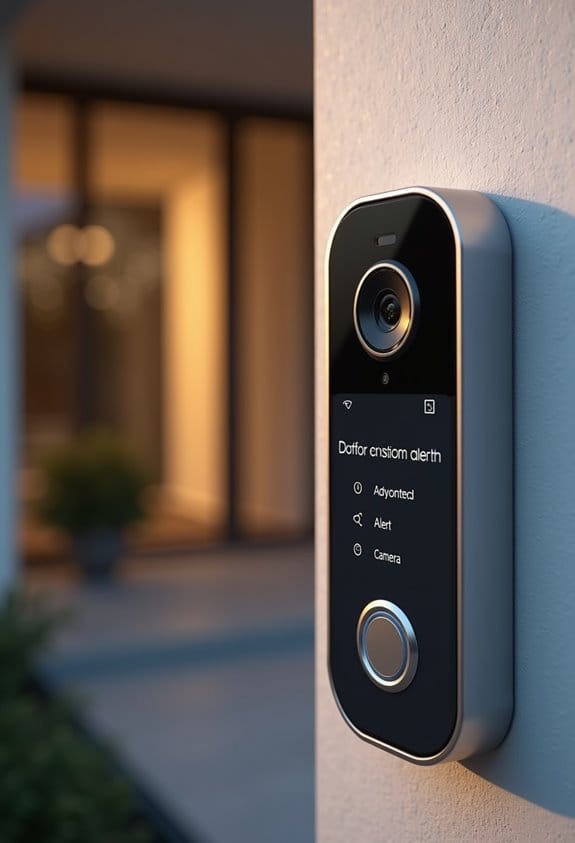
Have you ever wondered how phone notifications and chime alerts can enhance your app experience? Understanding notifications is essential for user engagement. Notifications, like push notifications, appear on our devices to communicate timely information, even when we aren’t actively using the app. They help engage users by sending push notifications that speak to user behavior, driving in-app purchases markedly. On the other hand, chime alerts provide audio cues when we’re using the app, grabbing our attention for critical events. This immediate engagement is key in communication and monitoring apps. Both methods should be carefully designed to fit user context, ensuring they inform without overwhelming. Ultimately, knowing how to utilize both types effectively can lead to an improved user experience. For example, instant alerts generated by AI detection technology ensure timely and relevant notifications, reducing false alarms and enhancing user satisfaction.
Essential Differences Between Phone Notifications and Chime Alerts
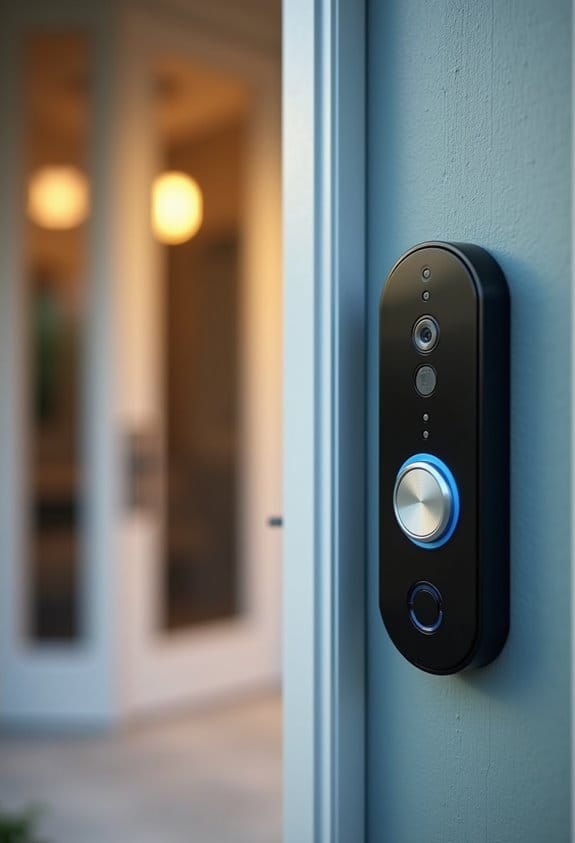
While both phone notifications and chime alerts serve to inform users, they have distinct purposes and functions that set them apart. Phone notifications are push messages that appear on our device screens, notifying us of events without needing immediate action. In contrast, chime alerts use clear, distinctive sounds to grab our user attention, indicating an urgent need for action, often within a mobile app. They typically trigger during active sessions, requiring us to acknowledge or perform a specific task. Phone notifications can vary in format and can be sent even when an app isn’t open, but they may lead to attention fatigue due to their frequency. To summarize, chime alerts are more intrusive and designed to command focus quickly for immediate action. For enhanced security, it’s important to customize your notification settings to focus on specific moving objects and control when and how you receive alerts.
Benefits of Using Phone Notifications in Your Alert Strategy
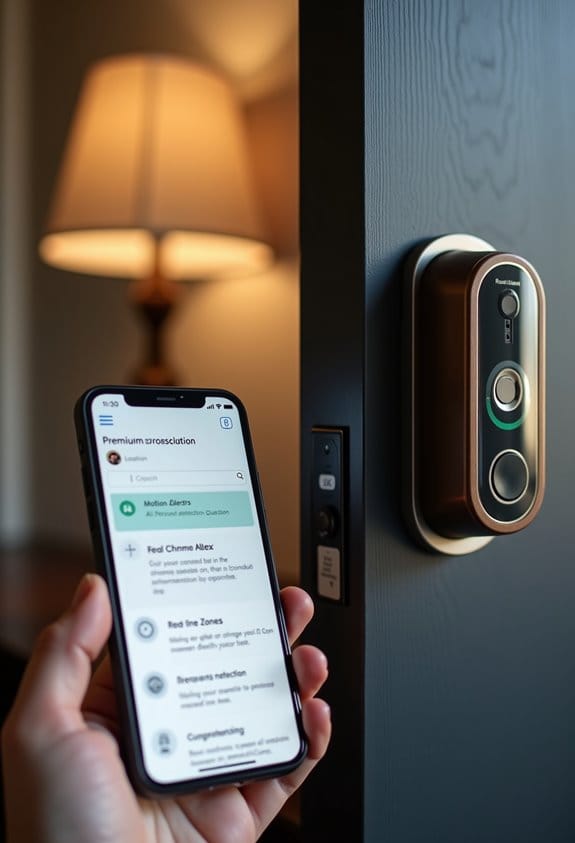
Incorporating phone notifications into our alert strategy provides several valuable benefits. First, these notifications deliver messages directly to mobile devices, ensuring users get timely updates, even when the app’s not active. Research shows that personalized push notifications can boost in-app purchases by 48%, making them essential for increasing sales. Additionally, users are likely to read these notifications within an hour, prompting immediate actions. Compared to emails, push notifications drive 9.6 times more in-app purchases, demonstrating higher engagement. By allowing users to customize notification preferences, we enhance user retention and reduce notification fatigue, creating a more positive experience. Ultimately, effectively sending notifications can help us maintain user interest and improve overall app performance. Enhancing alerts with customizable sound profiles can further improve user awareness and ensure notifications are more noticeable in various environments.
The Role of Chime Alerts in User Communication
Chime alerts play a essential role in enhancing user communication by providing immediate notifications that require timely action. These alerts are fundamental for delivering critical alerts, such as security breaches or important app updates. By utilizing sound cues, visual signals, or vibration patterns, we guarantee users don’t miss urgent messages. Unlike passive notifications, chime alerts drive user engagement, prompting quicker user actions when necessary. They can considerably reduce the chances of missing essential information, leading to higher satisfaction levels. Additionally, customization options enable users to tailor alert preferences, guaranteeing relevance while minimizing disruption. This approach helps create a more intuitive and effective push for user engagement, ultimately improving the overall user experience. Many modern devices also offer customizable tones and volume settings to ensure alerts are both distinct and appropriate for different environments.
When to Use Phone Notifications vs. Chime Alerts?
Have you ever wondered when to choose phone notifications over chime alerts? Phone notifications are best for immediate engagement, especially for time-sensitive alerts like promotions or reminders. They reach users even when they aren’t using the app. This boosts user engagement since most of us check our phones numerous times daily. On the other hand, chime alerts serve a specific purpose during active sessions. They handle immediate issues without disrupting our workflow. Use phone notifications for critical messages that require immediate action, while chime alerts are more suitable for contextual updates within the app. Finding the right balance in our notification strategy enhances the overall app experience, ensuring that each alert type effectively fulfills its role. Arlo doorbells benefit from this approach by offering both real-time motion alerts that reach your phone instantly and integrated chime alerts for on-site notification.
Best Practices for Effective Phone Notifications
Phone notifications serve as a powerful tool for engaging users effectively. To enhance our push notifications, we should personalize messages based on user preferences and behaviors. This helps keep users engaged and makes our notifications feel relevant. Timing plays a vital role as well, so let’s send notifications when users are most active. Incorporating rich media like images or GIFs can capture user attention and increase click-through rates. A/B testing different formats allows us to discover which strategies work best. Furthermore, maintaining an ideal notification frequency is essential; too many notifications can lead to user fatigue and opt-outs. Fewer, high-quality notifications tend to yield better retention rates, ensuring our engagements are effective. Additionally, adjusting settings like volume control can tailor notifications to different environments and user needs.
Crafting Engaging Chime Alerts
When users receive alerts, it’s essential that these notifications prompt immediate action. Chime alerts are particularly effective for time-sensitive situations, such as payment reminders. To engage users, we must guarantee our messaging is clear and concise. This means including personalized information like user names and specific account details to enhance relevance.
Moreover, combining sound elements with visually appealing designs can help capture user attention, guaranteeing critical notifications stand out. It’s important, however, to balance frequency; overwhelming users with too many alerts can lead to notification fatigue, causing them to ignore important messages. By optimizing timing and targeting, we can create chime alerts that not only require immediate action but also maintain user trust and engagement. Leveraging customizable chimes can further enhance user experience by allowing alerts to be tailored to individual preferences.
How to Avoid Notification Fatigue Through Balance
To effectively manage notification fatigue, we must focus on finding a balance between alert frequency and user engagement. For new users, it’s critical to start with limited push notifications. This helps increase user attention without overwhelming them. We can set specific times to check notifications, which optimizes app open rates while minimizing interruptions during important tasks. Prioritizing in-app notifications based on relevance also aids in decreasing notification fatigue. Efficiently designed alerts that convey essential information can keep users engaged without feeling intrusive. Additionally, incorporating mindfulness practices allows us to manage stress linked to frequent notifications, ultimately promoting emotional well-being. By implementing these strategies, we can create a healthier notification environment for everyone. Reliable products with consistent functionality can reduce the need for excessive alerts, further minimizing fatigue.
Practical Examples of Notifications and Chime Alerts
Finding the right balance in notifications can lead to better user experiences, but it’s also important to understand the practical applications of both notifications and chime alerts. For instance, mobile apps use push notifications to inform users about social media likes or comments, allowing users to engage without immediate interruption. In contrast, chime alerts from smart home devices emit distinct sounds to grab users’ attention for urgent actions, like system errors. To enhance user awareness, businesses can use both types effectively. Notifications can be scheduled based on user preferences, while chime alerts should be designed to avoid overwhelming the user, ideally with adjustable volume levels and frequency. This balance guarantees informed users without compromising responsiveness during critical moments. Additionally, integrating devices with fast charging capabilities ensures that alert systems remain powered reliably for continuous operation.
Frequently Asked Questions
What’s the Difference Between Alerts and Notifications?
Alerts demand immediate action, while notifications provide updates at our convenience. Understanding alert definitions and notification types helps us consider user preferences, sound significance, frequency impact, and engagement levels for ideal communication strategies.
What Are the Three Types of Notifications?
Did you know that 70% of users prefer customizable notifications? We’ve identified three types: push, in-app, and location-based. By considering user preferences, notification timing, and visual cues, we can enhance user engagement considerably.
What Is the Best Way to Manage Notifications?
To manage notifications effectively, we should prioritize alerts, customize settings for mindful technology use, and simplify communication. This way, we maintain focused attention and avoid notification overload, ensuring relevant information reaches us without disruption.
Which Mobile Marketing Strategy Uses Push Notifications?
We believe push notifications are essential for driving user engagement, employing targeted audience insights, timing optimization strategies, algorithmic customization benefits, and A/B testing methods to enhance effectiveness, ultimately maximizing push notification importance in mobile marketing strategies.