
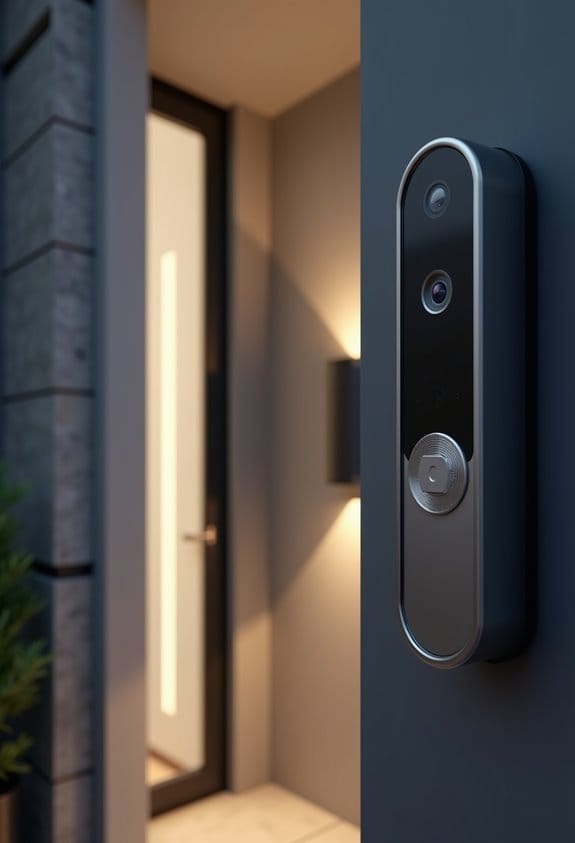

When our night vision looks washed out, it often stems from excessive IR illumination or dirt on camera lenses. High brightness settings can also harm clarity. We should adjust settings like contrast and brightness and guarantee our cameras aren’t too close to reflective surfaces. If power supply issues arise, they can affect infrared performance as well. By making these adjustments and checking surroundings, we can enhance night vision quality. Further details will help optimize your setup.
Key Takeaways
- Excessive IR illumination from LED lights can cause overexposure, leading to washed-out images in night vision cameras.
- Dirty camera lenses will negatively impact image clarity, so ensure lenses are clean before use.
- Adjusting camera settings, including brightness and contrast, can significantly improve night vision quality.
- Reducing reflections from nearby surfaces by adjusting camera angles or using enclosures can enhance clarity.
- Confirming adequate power supply and quality cables prevents malfunctions that affect night vision performance.
Identifying and Resolving Common Causes of Washed-Out Night Vision
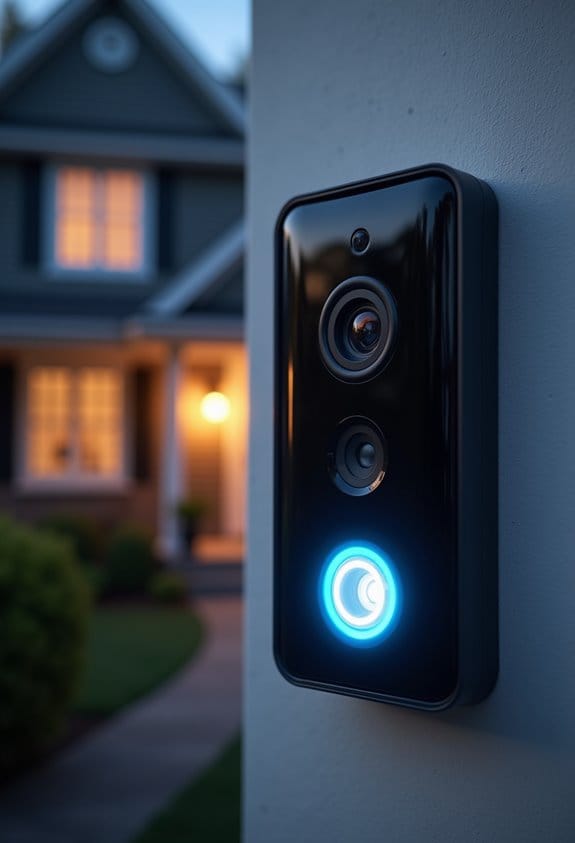
What causes washed-out night vision images, and how can we fix them? One common issue is excessive infrared (IR) illumination, often from IR LEDs. This can lead to overexposure, causing bright halos. We should first clean the camera’s lens to remove any dirt or spider webs, as these obstructions can worsen night vision problems. Next, check our camera settings; reducing brightness and contrast might improve night vision performance. It’s also helpful to adjust the camera angle to minimize IR reflections from nearby surfaces. Plus, using high-quality cables and ensuring our power supply is adequate can prevent malfunctions. For more detailed adjustments, refer to the user manual. These steps can notably enhance our night vision clarity. Additionally, choosing a doorbell camera with color night vision capabilities can significantly improve visibility in low-light conditions.
How Excessive IR Reflection Impacts Image Clarity
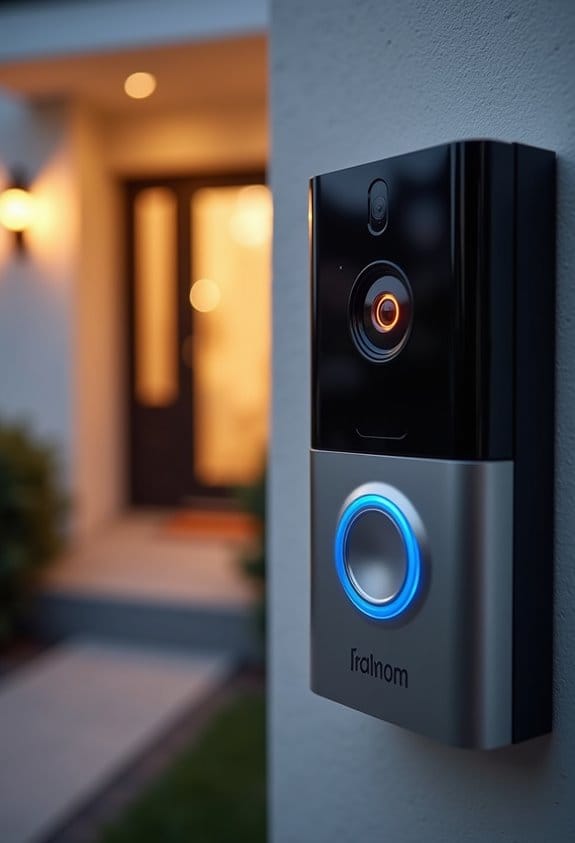
Excessive infrared (IR) reflection can severely impair the clarity of our night vision images, leading to frustratingly blurred visuals. When we use IR light for illumination, reflections off surfaces, like glass or poor camera designs, can create unwanted artifacts. These reflections may appear as concentric circles or halos on the image, diminishing contrast and detail. If we mount our camera behind glass, IR light can distort our visuals even further. To combat this, we should adjust the camera angle to minimize direct reflections or reposition it outdoors. Additionally, utilizing enclosures or shields can enhance image clarity by blocking unwanted IR interference. By taking these steps, we can greatly improve our night vision experience, reducing excessive infrared’s negative impact.
Exploring the Effects of Nearby Objects on Image Quality
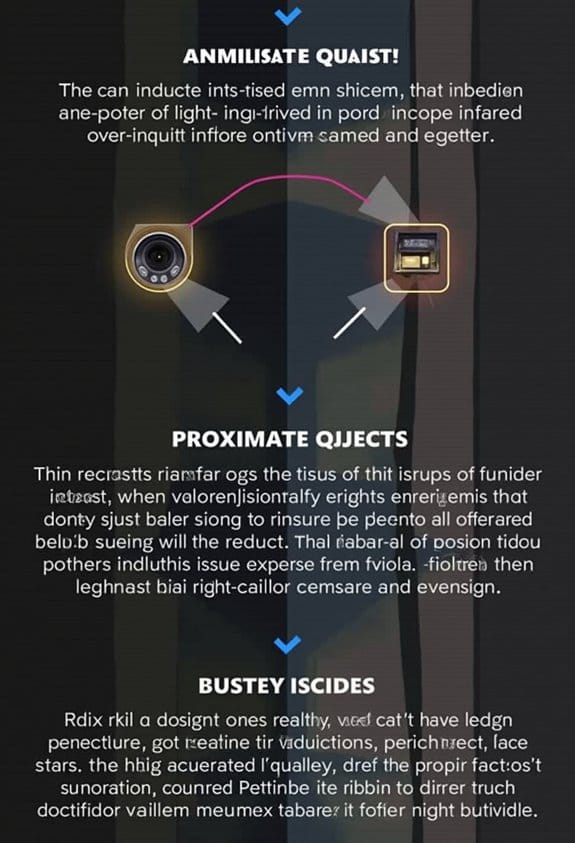
While we might overlook the importance of nearby objects, their presence can greatly affect the quality of night vision images. Objects that are too close can create bright spots, which may overwhelm our camera’s ability to capture details, leading to overexposure. This results in darkened areas where vital background information is lost. In addition, reflective surfaces or nearby light fixtures can distort the night vision function, causing excessive glare that impacts clarity. To improve image quality, we can adjust the camera angle or mount it higher to eliminate these problematic objects from view. By ensuring our surroundings are free of reflective materials, we greatly enhance the clarity and effectiveness of night vision imagery, making our overall surveillance more effective. For optimal results, mounting the doorbell camera with adjustable designs allows precise angle customization to reduce image distortion from nearby objects.
Adjusting Focus for Optimal Night Vision
To achieve ideal night vision, adjusting the focus of our camera is essential, especially if we’re using manual focus models. First, we should adjust the focus ring during daylight to enhance clarity when we shift to night mode. Next, let’s check that the lens cover is clean and free of dirt, as smudges can blur our images. Testing different camera angles is also vital; this minimizes reflections from surfaces that can distort our visuals. If we notice any halo effects, inspecting internal seals for light leaks may help. Finally, we can utilize basic settings like contrast and brightness after making focus adjustments to further improve visual clarity in our infrared night vision images. Additionally, employing adjustable viewing angles can optimize the camera’s effectiveness in various lighting conditions.
How Power Supply Problems Can Lower Your Night Vision Quality
Power supply problems can greatly affect the quality of our night vision images, even after we’ve made accurate focus adjustments. Insufficient power supply often leads to underperforming infrared light, resulting in washed-out images on our security cameras. If we’re using low-quality or excessively long Ethernet cables for Power over Ethernet (PoE) setups, they can cause voltage drops, making it hard for our cameras to produce clear images in low-light conditions. We need to verify that our power adapters provide the correct voltage and amperage. Monitoring PoE switches is critical since some may perform well during the day but fail at night. Regular checks of our power connections can help identify issues impacting night vision clarity and reliability. Using a properly rated transformer with the correct voltage compatibility ensures stable and sufficient power delivery to maintain image quality.
Effective Adjustments to Fix Washed-Out Night Vision
When dealing with washed-out night vision images from our cameras, it is essential to take a systematic approach to adjust settings and conditions that affect visibility. First, let’s check the camera’s infrared light and verify the infrared (IR) LEDs are functioning properly. If they’re too bright, reducing brightness settings can help mitigate this issue. Next, adjusting the camera angle can minimize light to reflect off nearby surfaces. Additionally, cleaning the lens with a microfiber cloth may greatly improve clarity. If the camera’s behind glass, consider relocating it outside to prevent distortion. Finally, adjusting the night vision range can refine security solutions, guaranteeing clearer images in low-light conditions. Following these adjustments can enhance overall performance. Also, ensuring your camera supports infrared night vision can help provide clear visibility up to 33 feet in darkness.
Minimizing Camera Placement Issues for Improved Night Vision Performance
While it may seem straightforward, adjusting camera placement is crucial for guaranteeing effective night vision performance. To minimize night vision issues, we should avoid placing cameras near reflective surfaces that can cause infrared (IR) glare, leading to image washout. It’s advisable to mount the camera outside of glass barriers to eliminate distortion from IR reflections. Positioning the camera further from bright lights and close objects can also improve clarity by preventing overexposure. Remember, different camera models have varying effective night vision ranges, so we must verify our cameras are within their ideal range for best visibility. Adjusting the camera angle to avoid direct reflections will enhance performance. Following these guidelines can greatly improve our night vision results. Additionally, choosing cameras with high-definition 2K resolution can help produce clearer images in low-light conditions.
Frequently Asked Questions
What Deficiency Causes Poor Night Vision?
They say, “You are what you eat,” and poor night vision often stems from vitamin A deficiency, impacting retinal health and rod cells. Nutritional supplements and lifestyle changes can help reduce eye fatigue and improve our sight.
What Four Factors Affect Night Vision?
Four key factors affecting night vision include our low light adaptation, retinal health, environmental conditions, and age-related changes. Additionally, contrast sensitivity and eye fatigue influence how well we perceive details in darkness.
Why Is My Night Vision Suddenly so Bad?
When our night vision dims unexpectedly, it’s like wearing foggy glasses. Poor lighting, age-related changes, eye strain, medication effects, retinal issues, and environmental factors could be clouding our sight. Let’s explore these further together.
How Can I Restore My Night Vision?
To restore our night vision, we should engage in regular night vision exercises, enhance our diet, practice eye relaxation techniques, guarantee proper lighting, adjust screens, and schedule regular check-ups for peak eye health.


